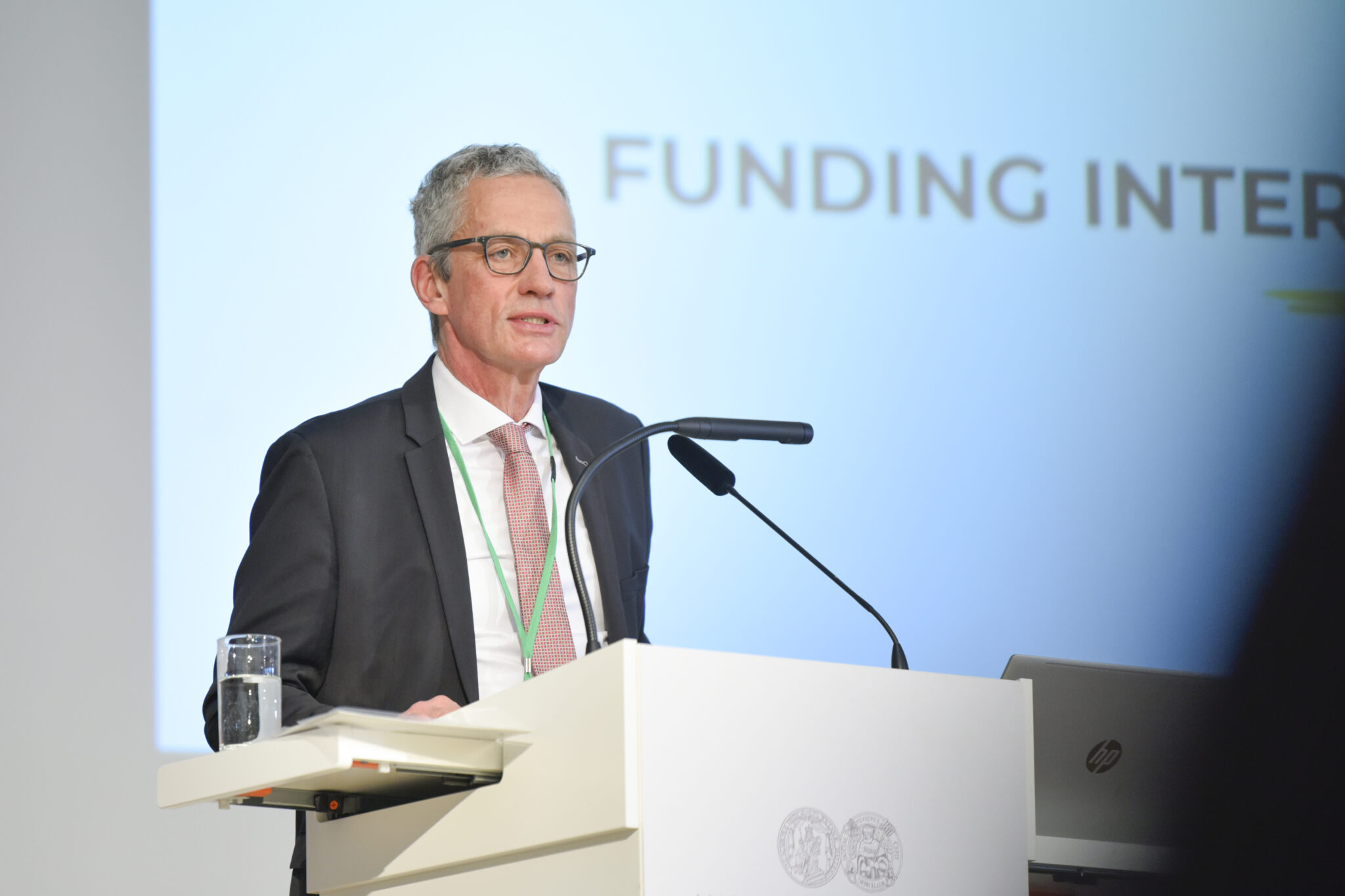
The kick-off event in Halle (Saale) strengthened scientific cooperation between Germany and the Central Asian countries. Numerous stakeholders from research, politics and industry identified key challenges and initiated a joint network to improve long-term cooperation, resources and visibility.
Background
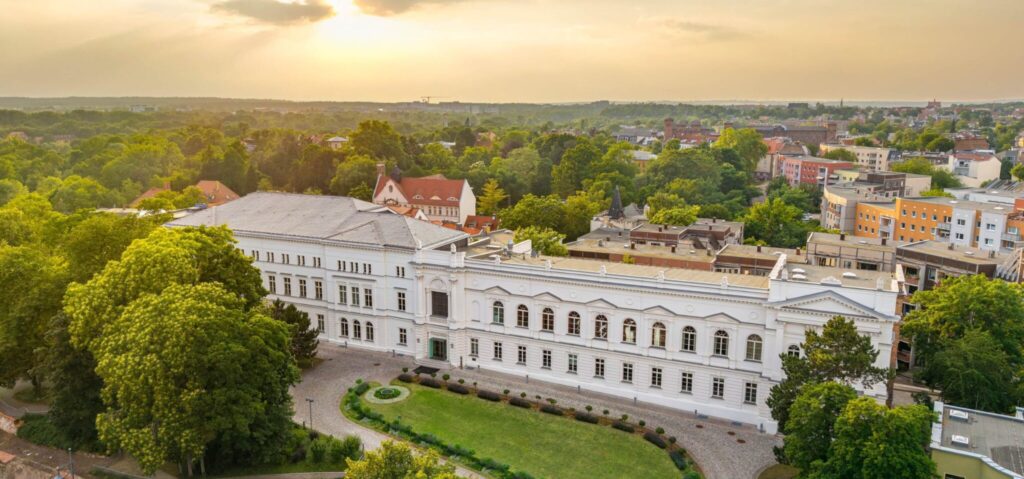
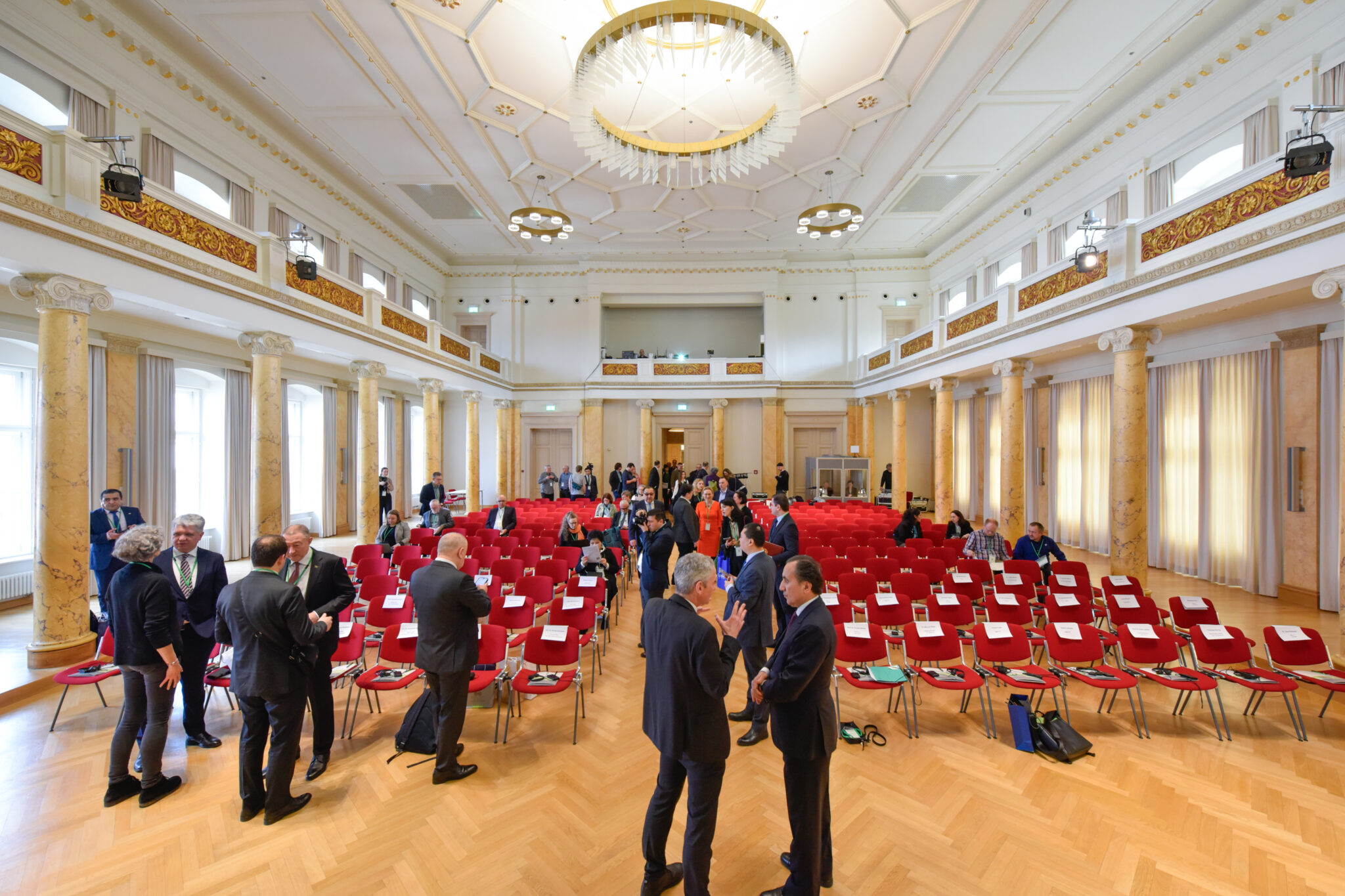
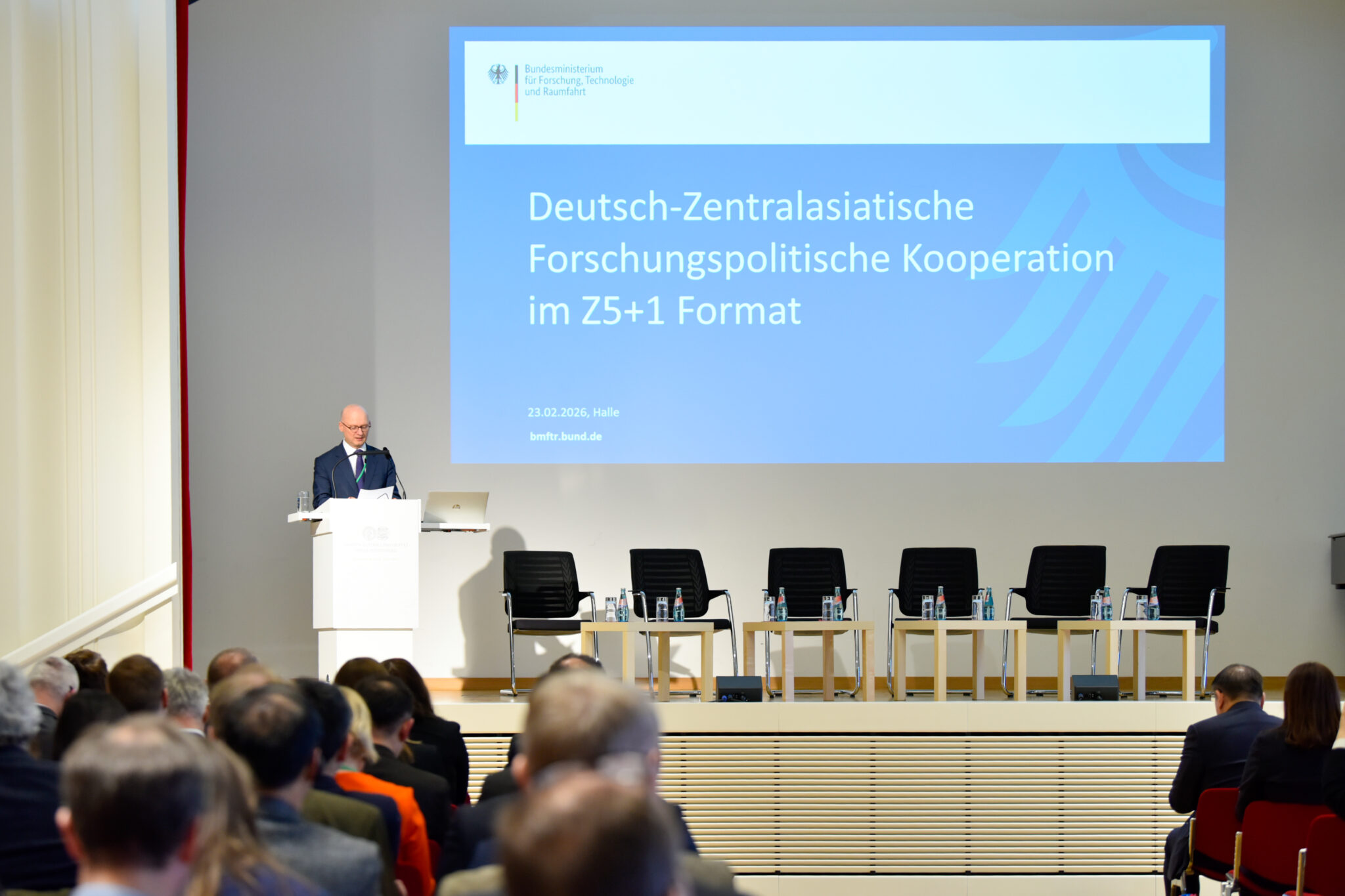
The strategic regional partnership between Germany and the Central Asian countries (“C5+1 Format”), initiated in 2023, established an im-portant political framework for expanding scientific collaboration. In order to strengthen long-term research cooperation, the Martin Luther University Halle-Wittenberg (MLU) hosted the first German Higher Education and Science Forum Cen-tral Asia (DHWZ) from 23 to 25 February 2026 in Halle (Saale) at the German National Academy of Sciences Leopoldina. The forum was organised by MLU’s liaison office in Almaty – the Central Asia Sustainable Innovation Bureau (CASIB) – with the support of the Federal Ministry of Research, Technology and Space (BMFTR) and the DLR Project Management Agency.
The Forum
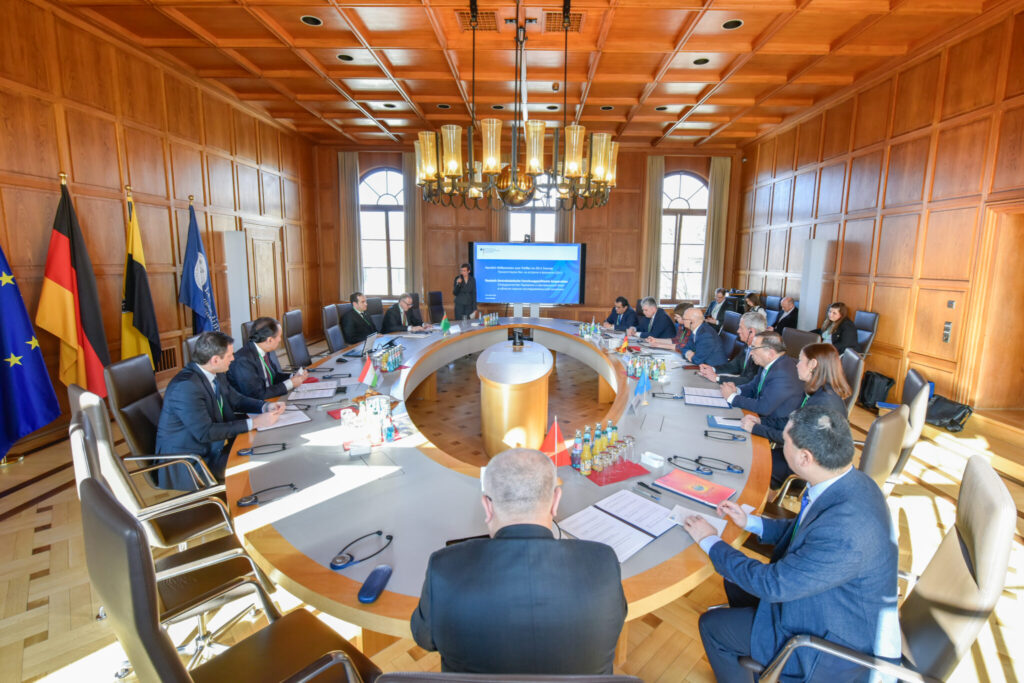
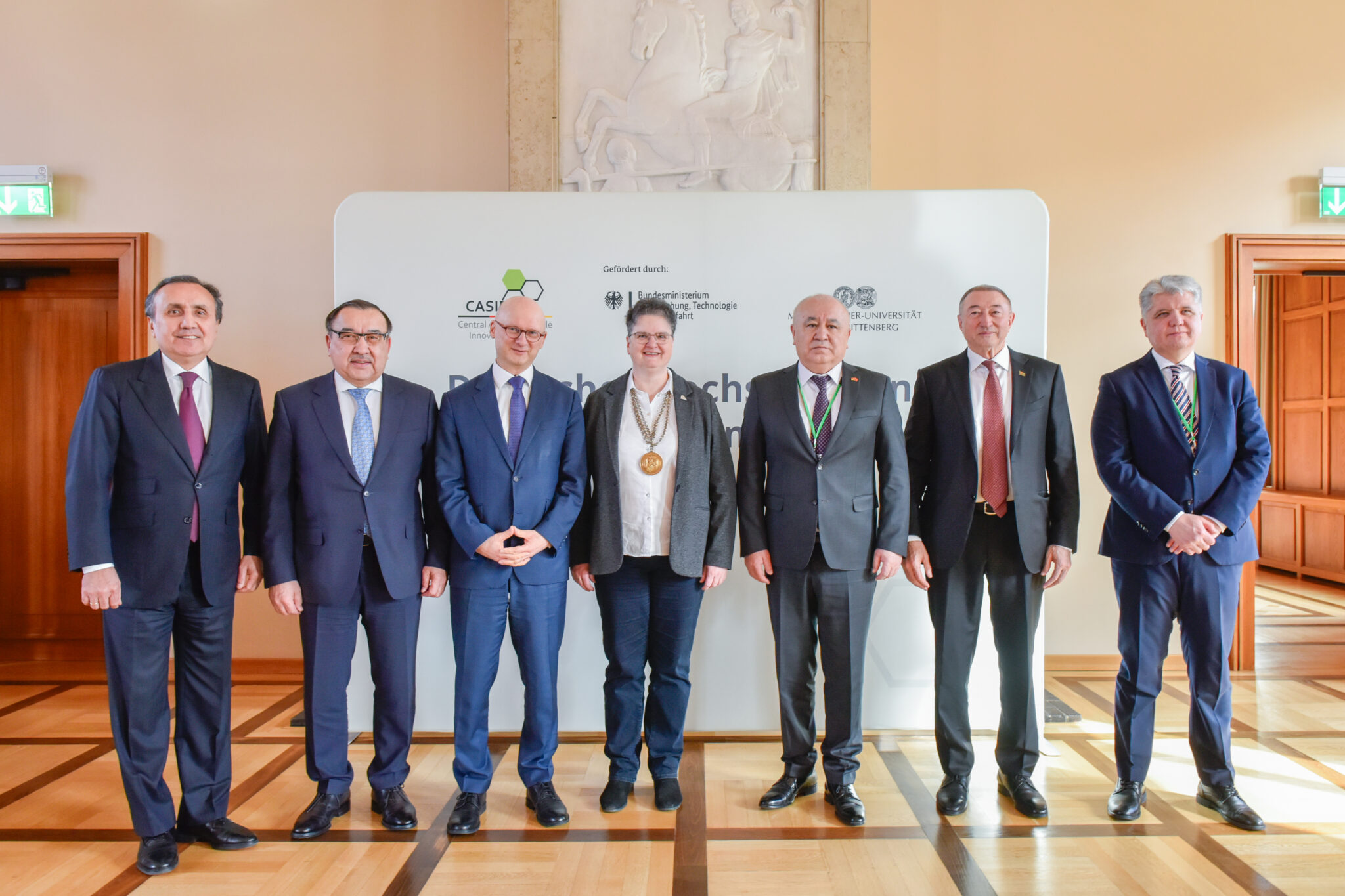
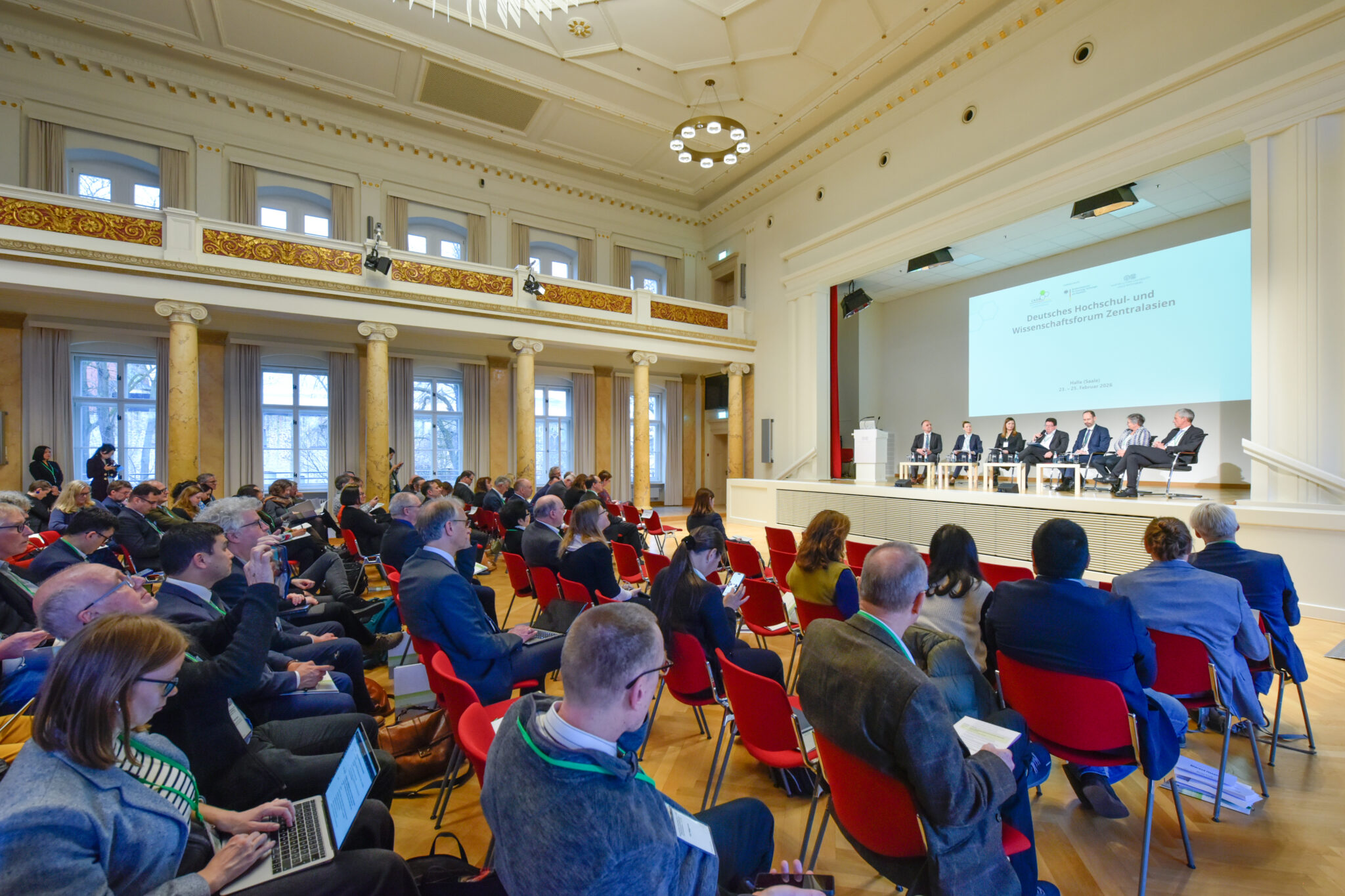
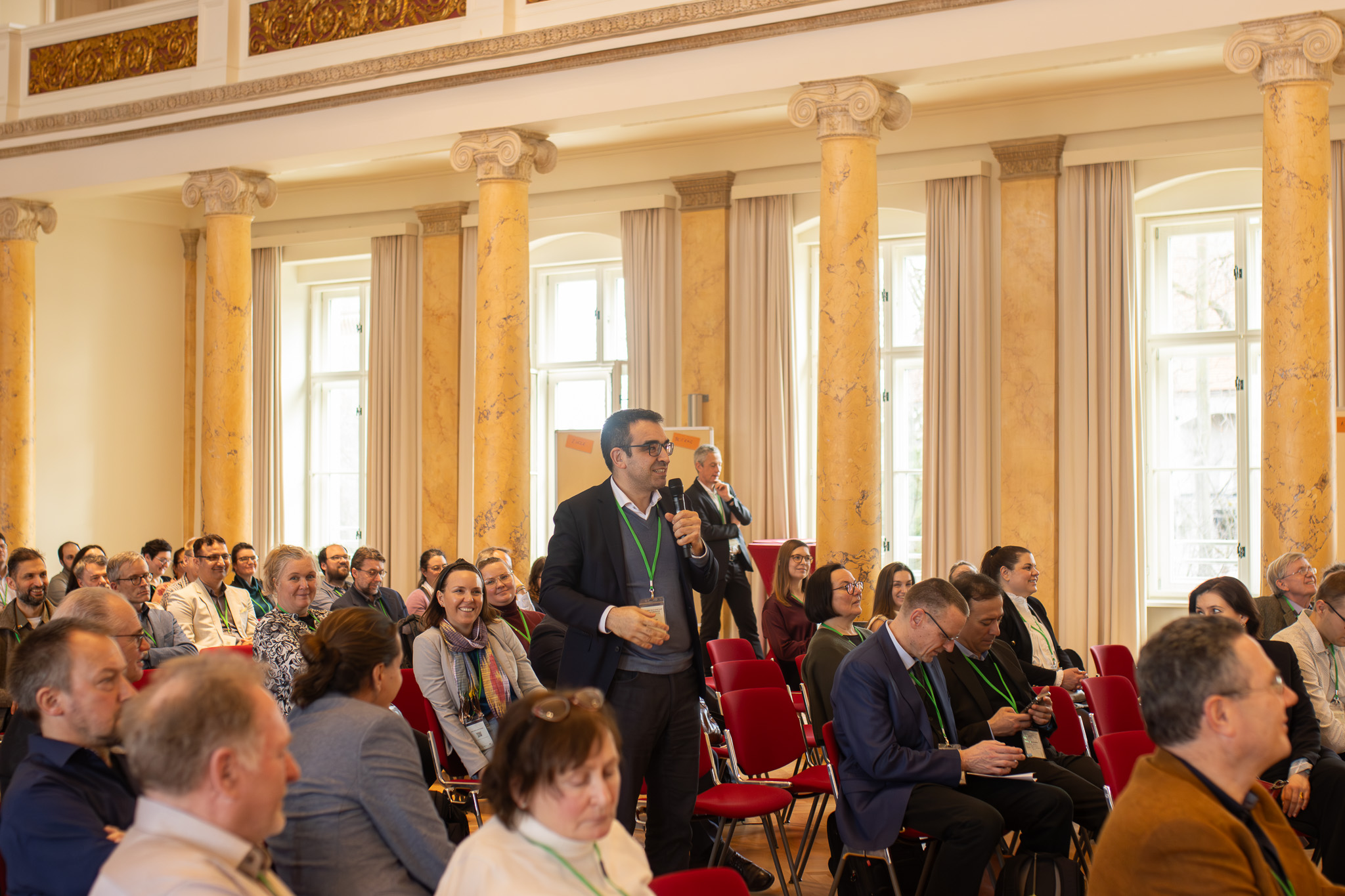
With a total of 225 participants, the event brought together not only German research policy stakeholders and ambassadors from all five Cen-tral Asian countries, but also representatives from 43 universities, 17 research institutes, and 20 organisations (including foundations, associa-tions, and research funding organisations). Additionally, eight private-sector companies participated.
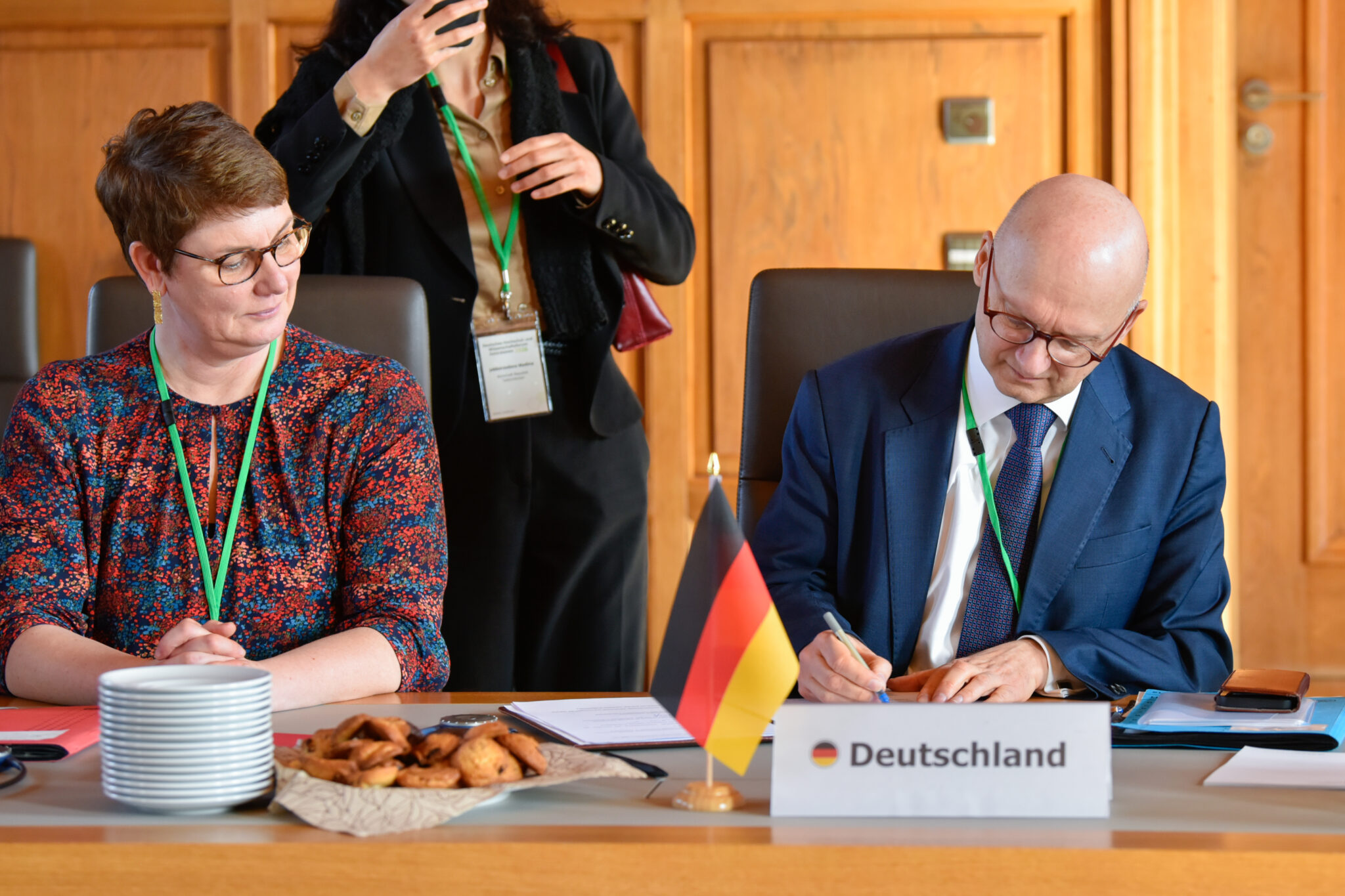
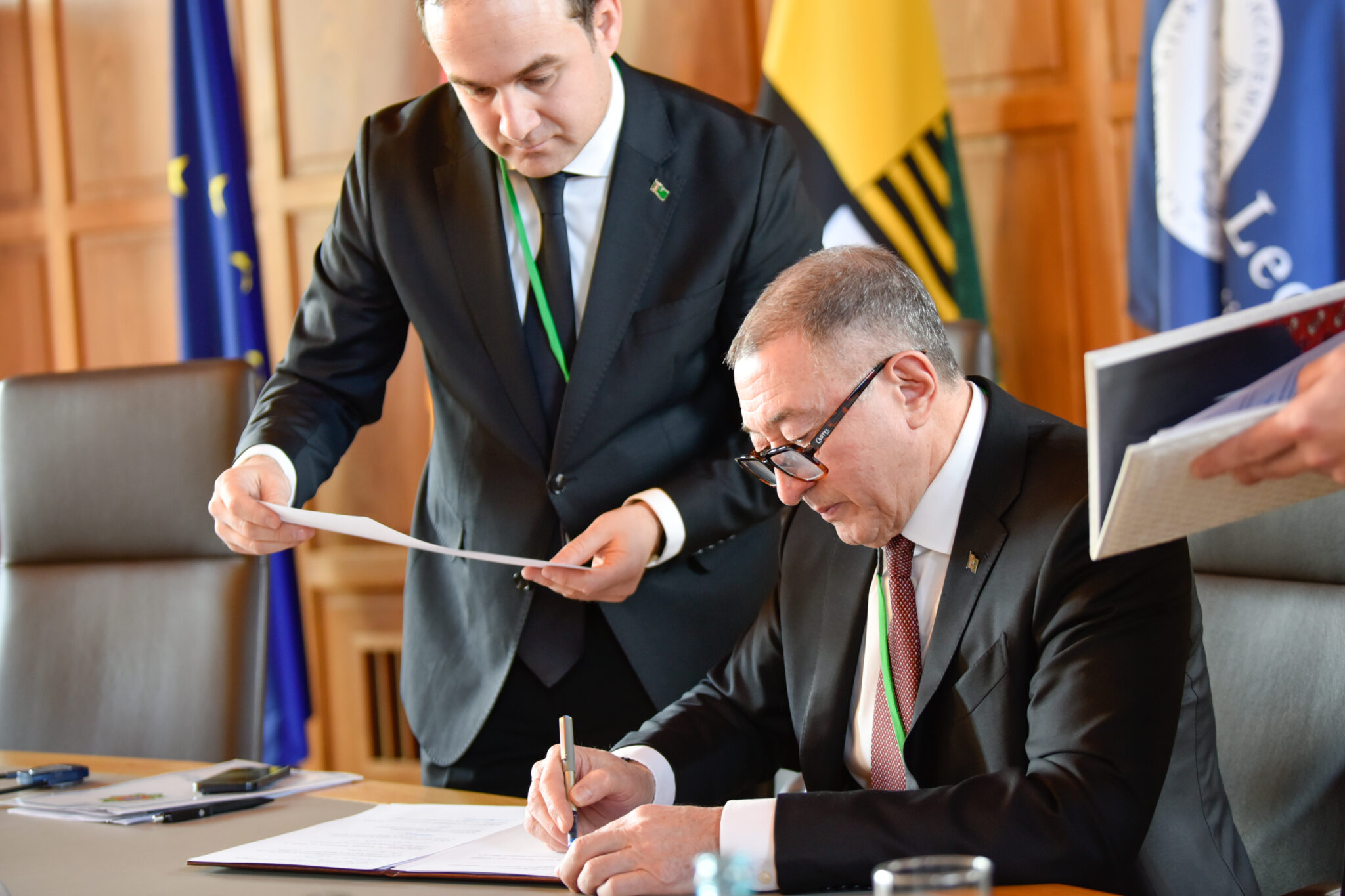
At the opening of the forum, the ambassadors and the German State Secretary of the BMFTR acknowledged progress in relations by signing a joint declaration of intent regarding cooperation in science, research, and innovation. This reaffirmed the countries’ shared interest and commitment to further deepening collaboration in these areas.
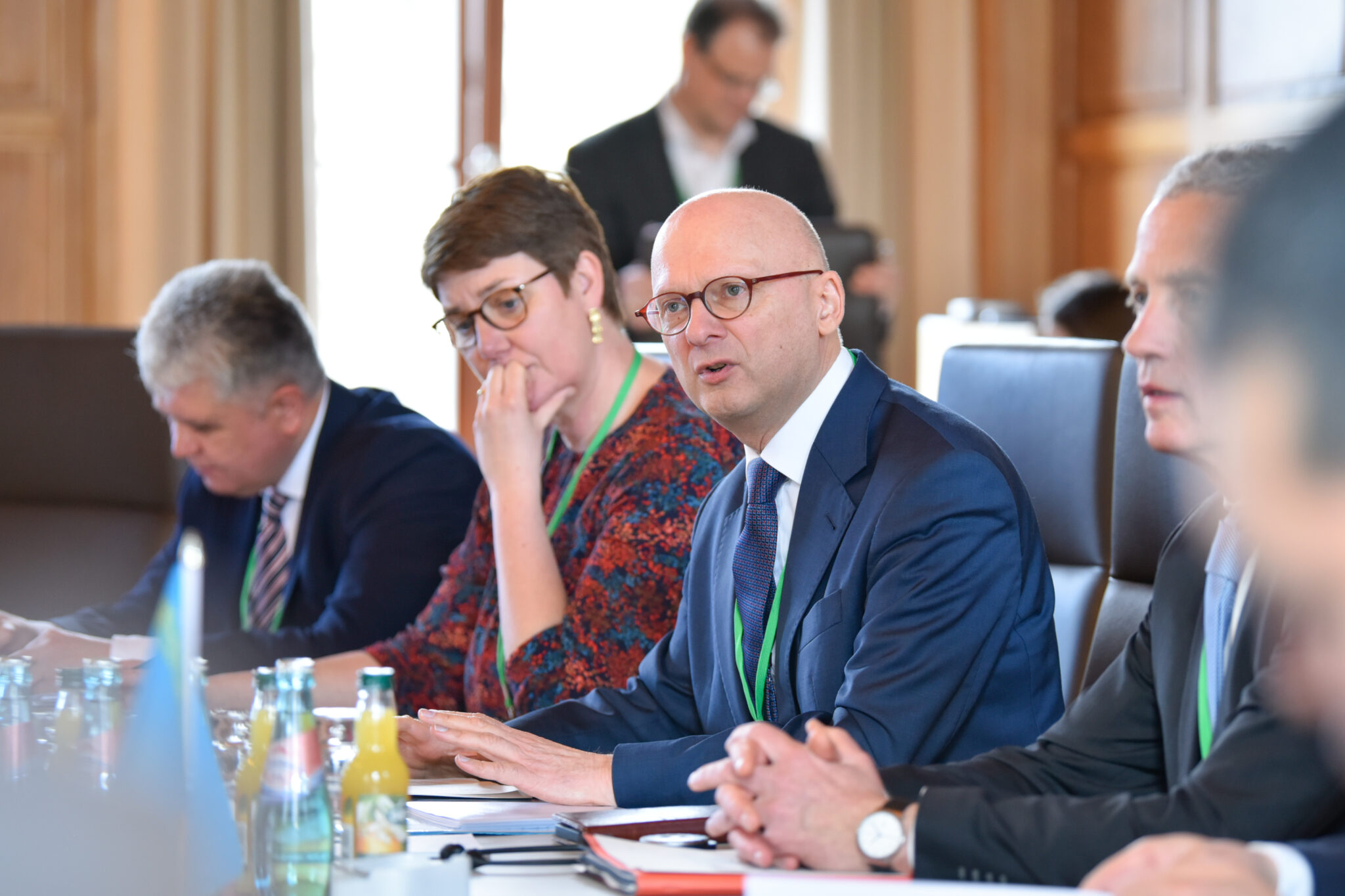
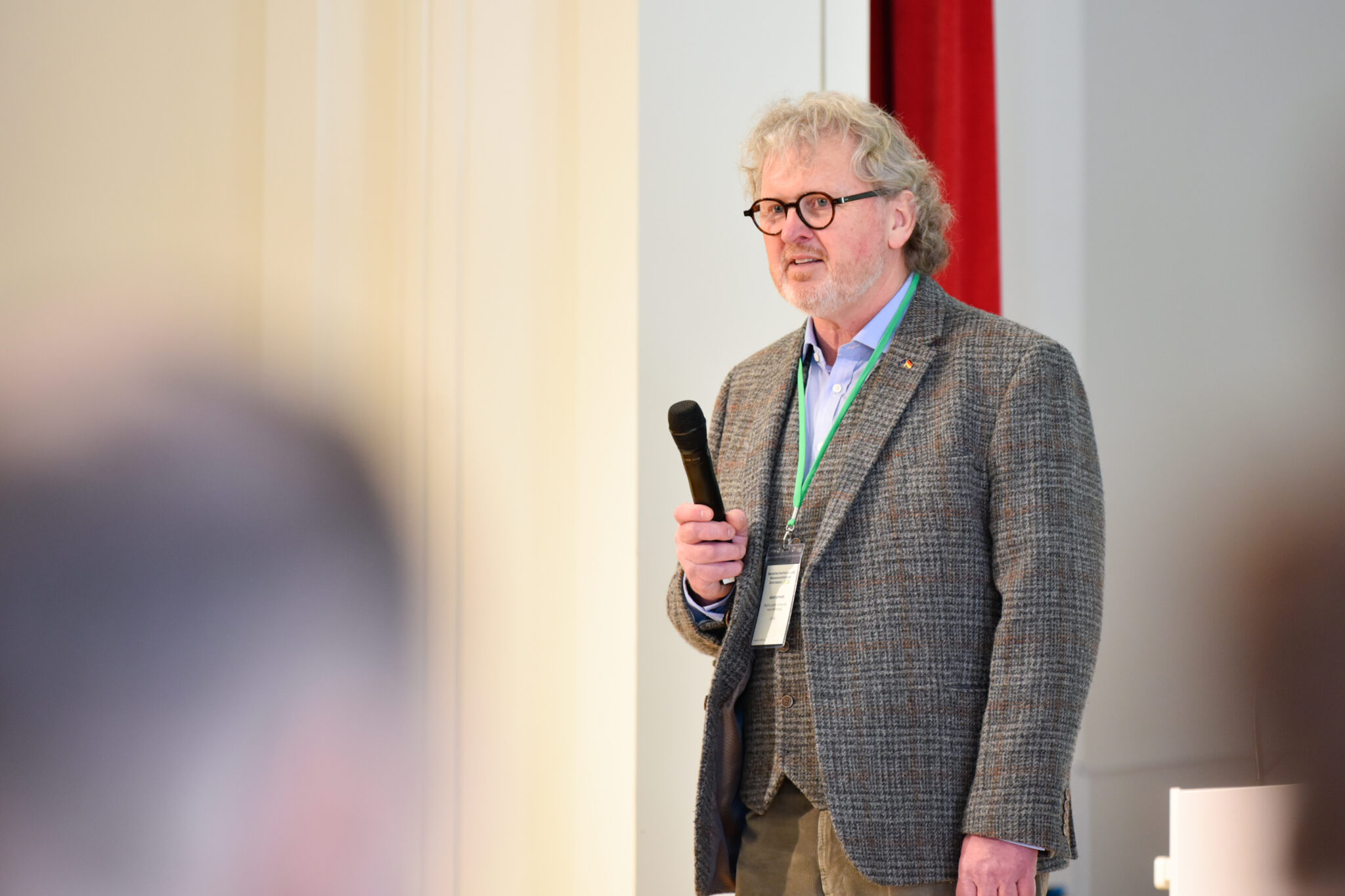
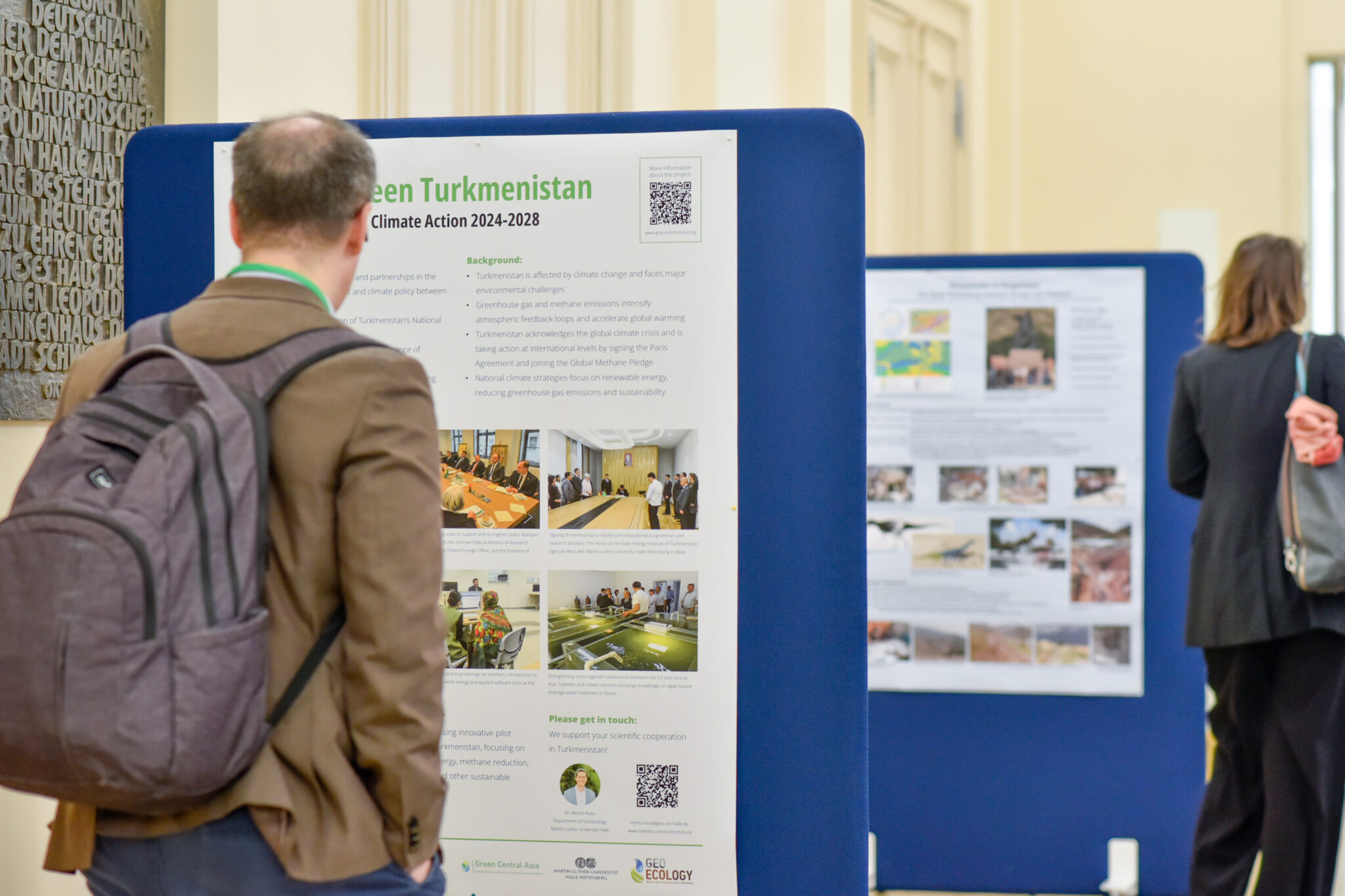
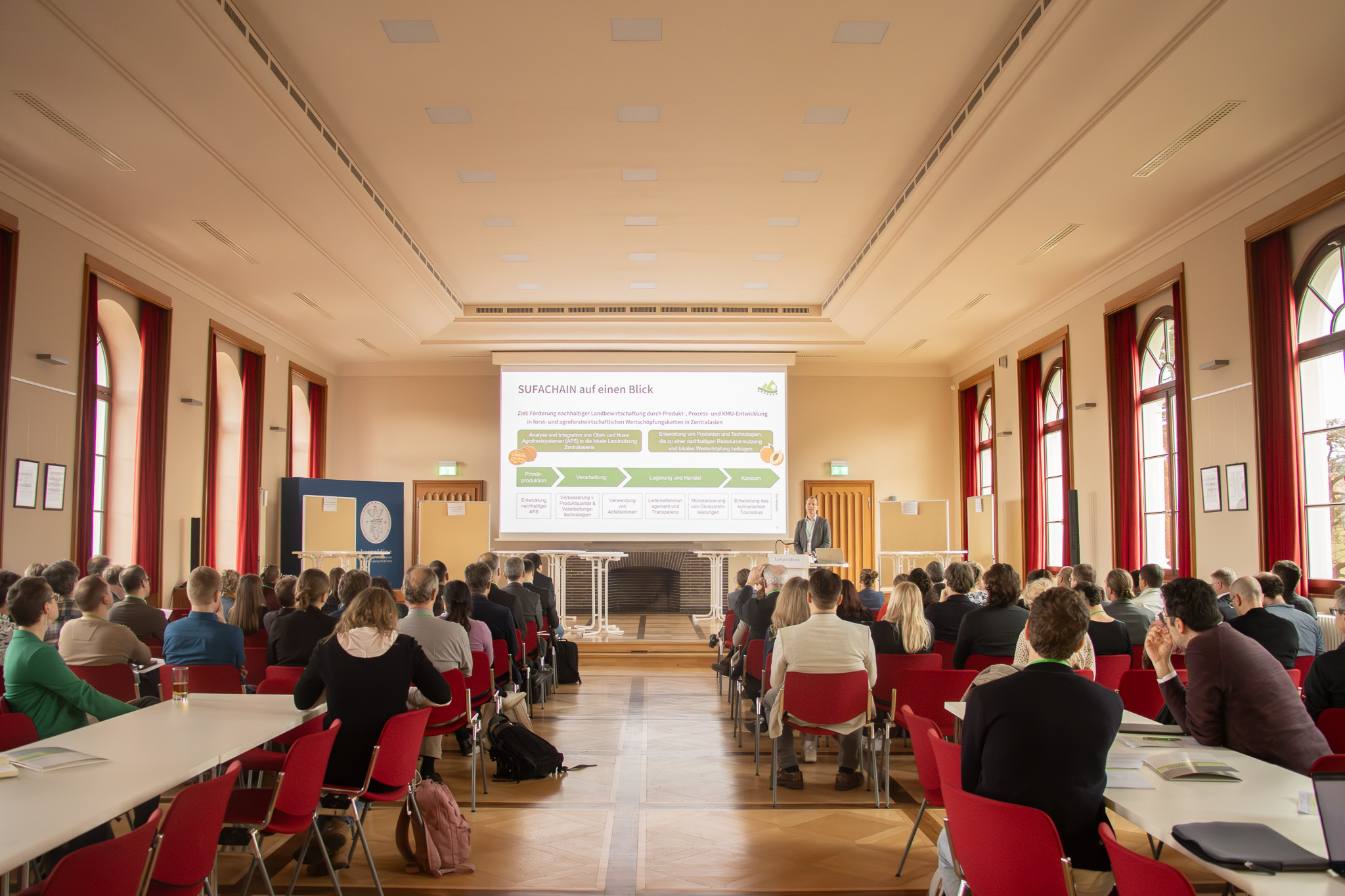
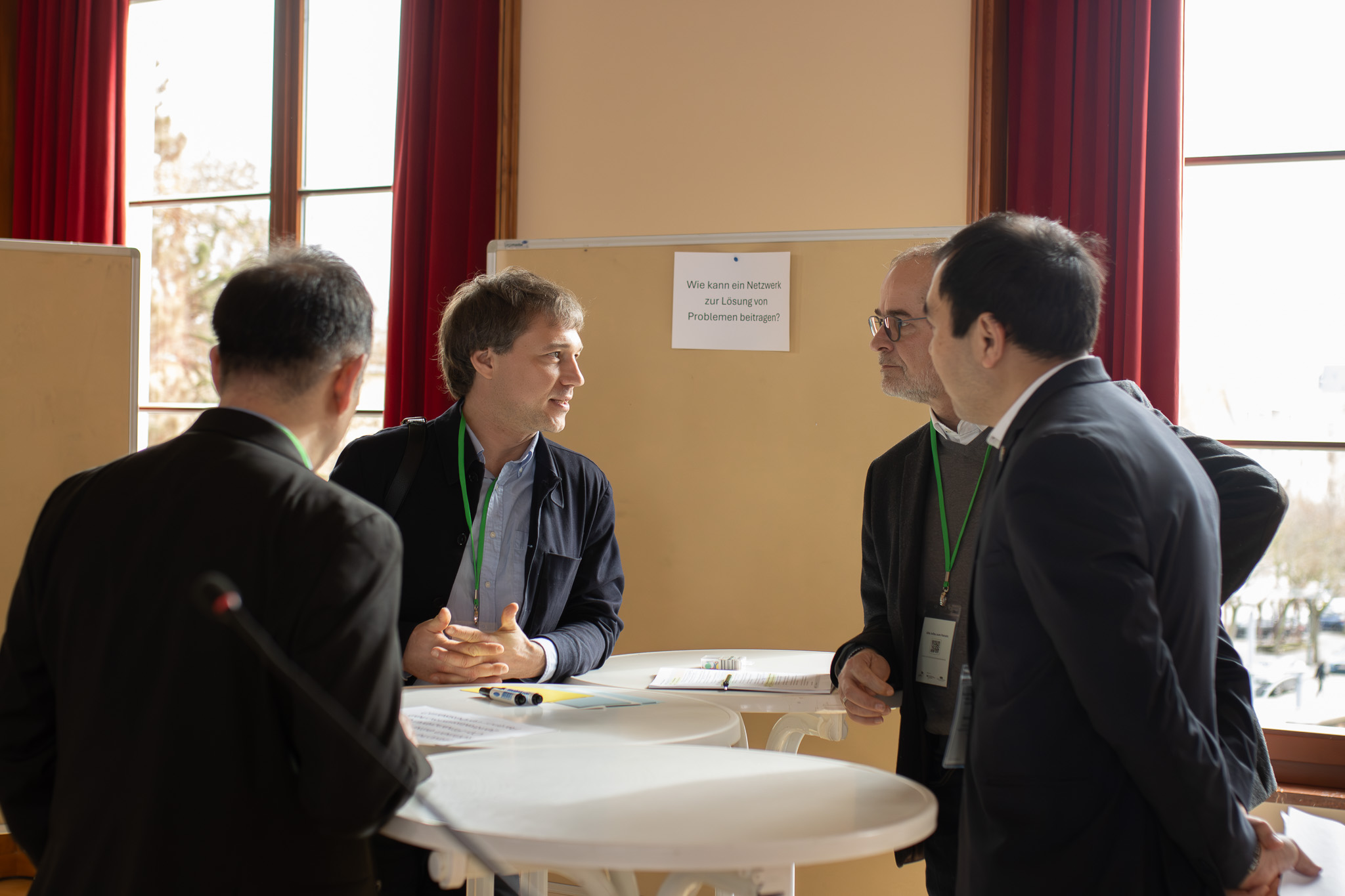
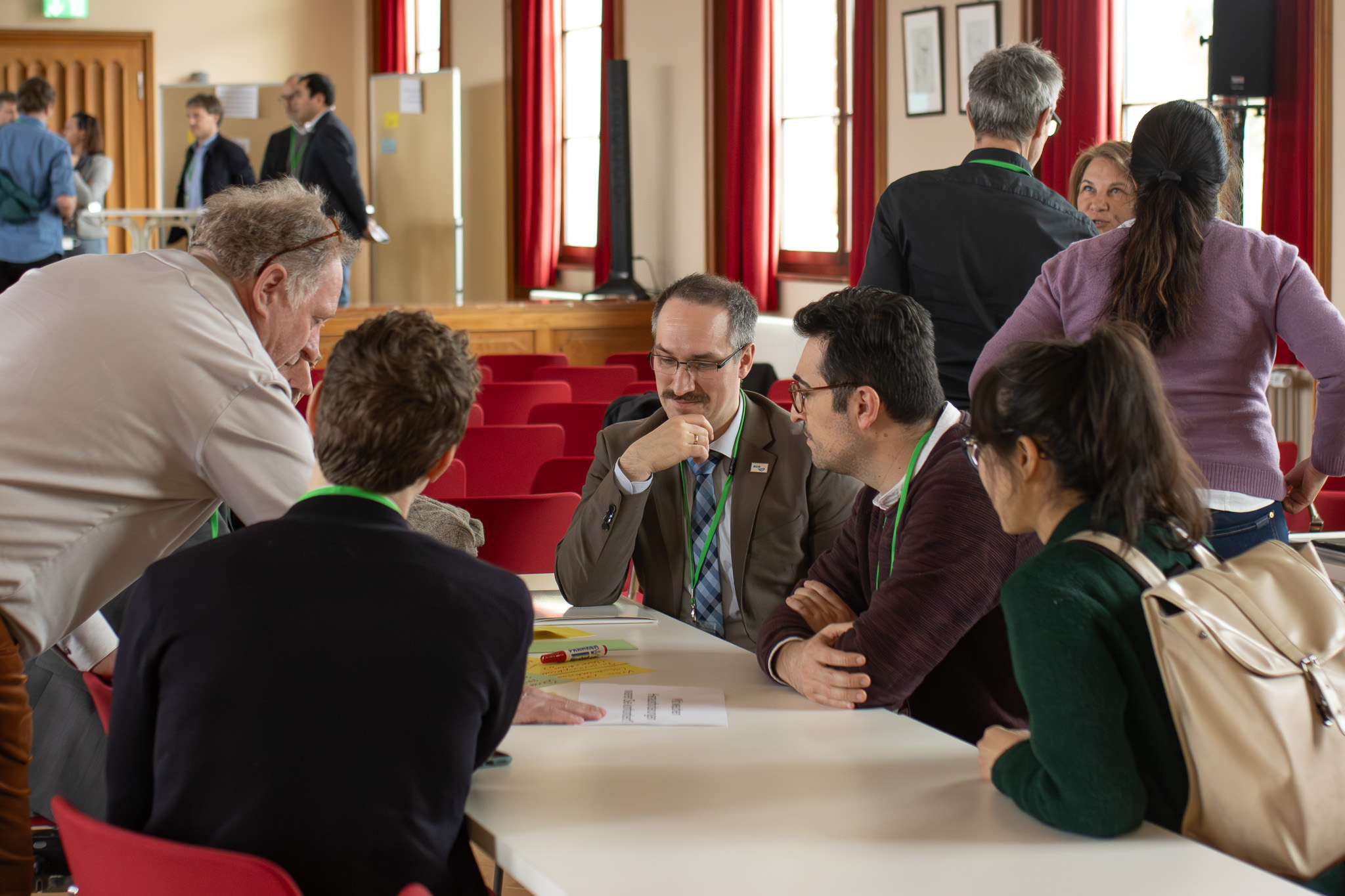
Presentations of successful and long‑standing collaborations with partners in Central Asia show-cased best practices in higher education and research. This included a broad range of cooperation formats, participating institutions and funding mechanisms. In subsequent workshops, the chal-lenges of collaboration with Central Asia were analysed. Further contributions and discussions were based on a 2023 policy paper containing rec-ommendations for future cooperation between Germany and Central Asia in science, research, and education (Positionspapier deutscher For-schungs-, Mittler- und Förderorganisationen mit Empfehlungen für die zukünftige Zusammenarbeit zwischen Deutschland und Zentrala-sien in Wissenschaft, Forschung und Bildung).
Challenges
Participants emphasised that limited financial and human resources – both in Central Asia and Germany– represent a key challenge. Further-more, it was agreed that there remains considera-ble potential for development in Central Asia
regarding research infrastructure and scientific staff, particularly among early‑career researchers. In addition, closer integration between the social and natural sciences, as well as improved visibility of projects, were identified as ways to strengthen their impact on political decision-making pro-cesses. Many participants also highlighted the need for intersectoral approaches to funding higher education and research cooperation as well as to implementing research results in practice.
Vision
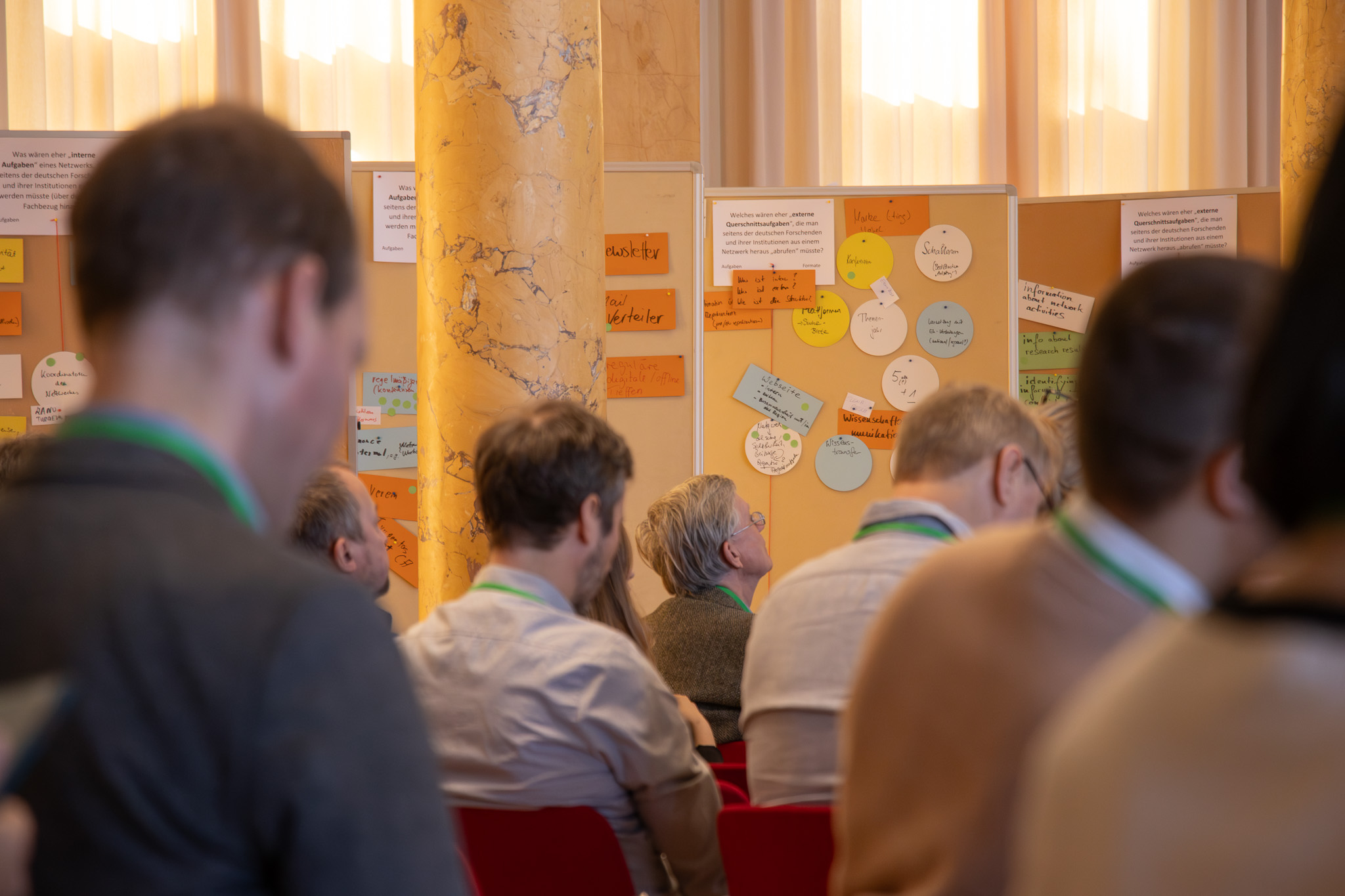
Participants developed basic requirements for a network to systematically address the identified challenges. The majority of the participants con-sider the establishment of a joint network to be an effective way to strengthen the exchange of knowledge and experience through open dialogue and a unified approach, as well as to increase the visibility of cooperation activities and results. This is expected to lead to numerous positive effects for scientific collaboration in practice. In particular, participants anticipate benefits for identifying and communicating research and transfer topics, preparing project proposals, developing long-term co-operation, and achieving more efficient allocation of resources through shared use of research infra-structure (for example, measurement equipment or data infrastructure). In addition, improvements in visa and logistics processes are anticipated. Close involvement of the Central Asian partners is considered essential in all regards.
The very positive response and active engage-ment at the first DHWZ highlight the considerable interest in strengthening research cooperation with Central Asia. The participants plan to further expand exchange and networking formats in or-der to sustainably enhance the efficiency and visi-bility of cooperation initiatives towards funding or-ganizations. The majority of respondents support the development of continuous and open-topic formats, thereby benefiting thematic areas that have so far not been a focus of funding policy. Taken together, this indicates the emergence of in-itial pathways for developing a German-Central Asian network.
Acknowledgement
We thank all participants and look forward to seeing you again in 2027.
Peter Liebelt, Christopher Conrad, Moritz Koza and Gerd Schmidt