Driving Regional Climate Adaptation and Science-to-Policy Transfer in Central Asia
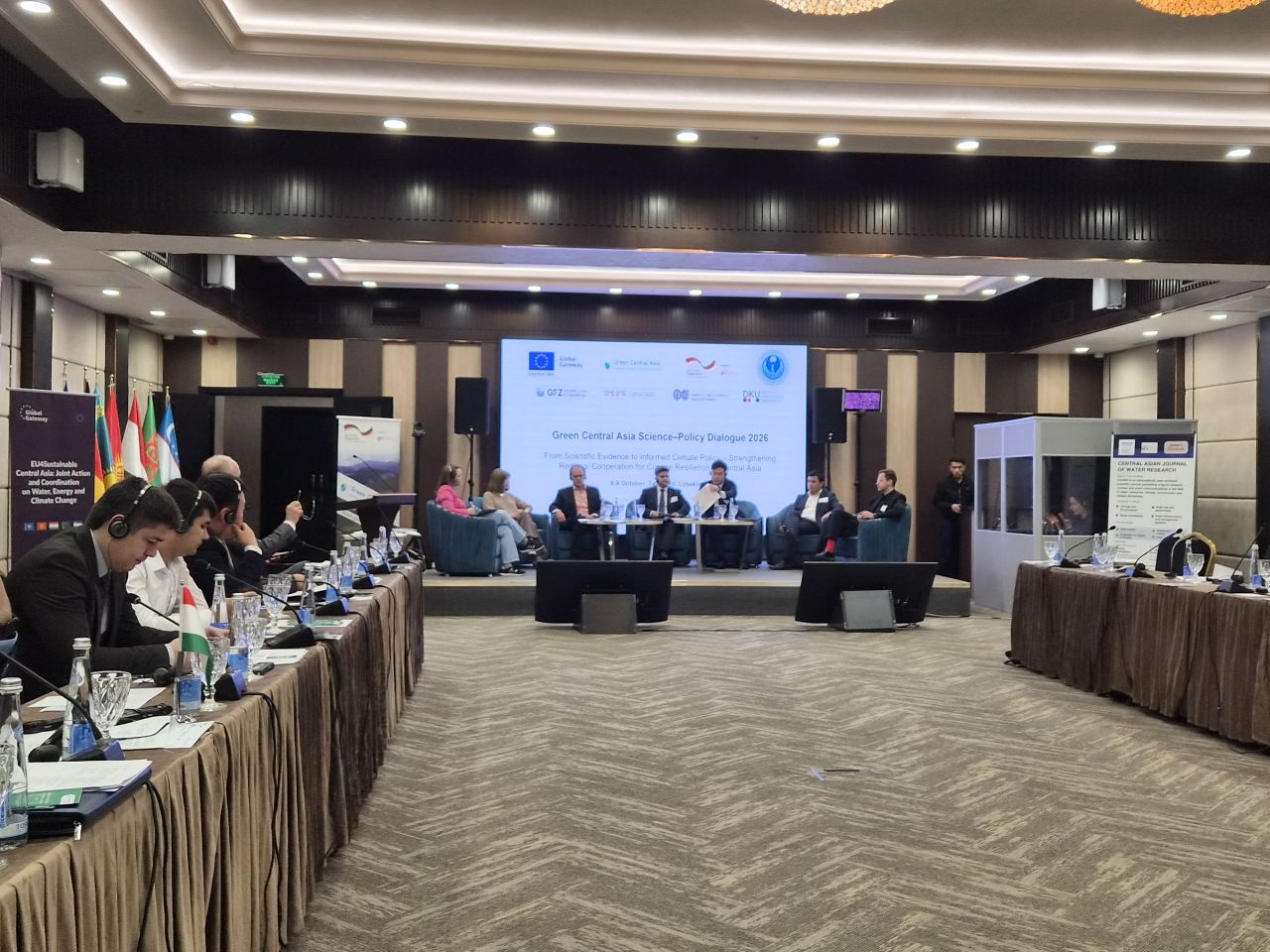
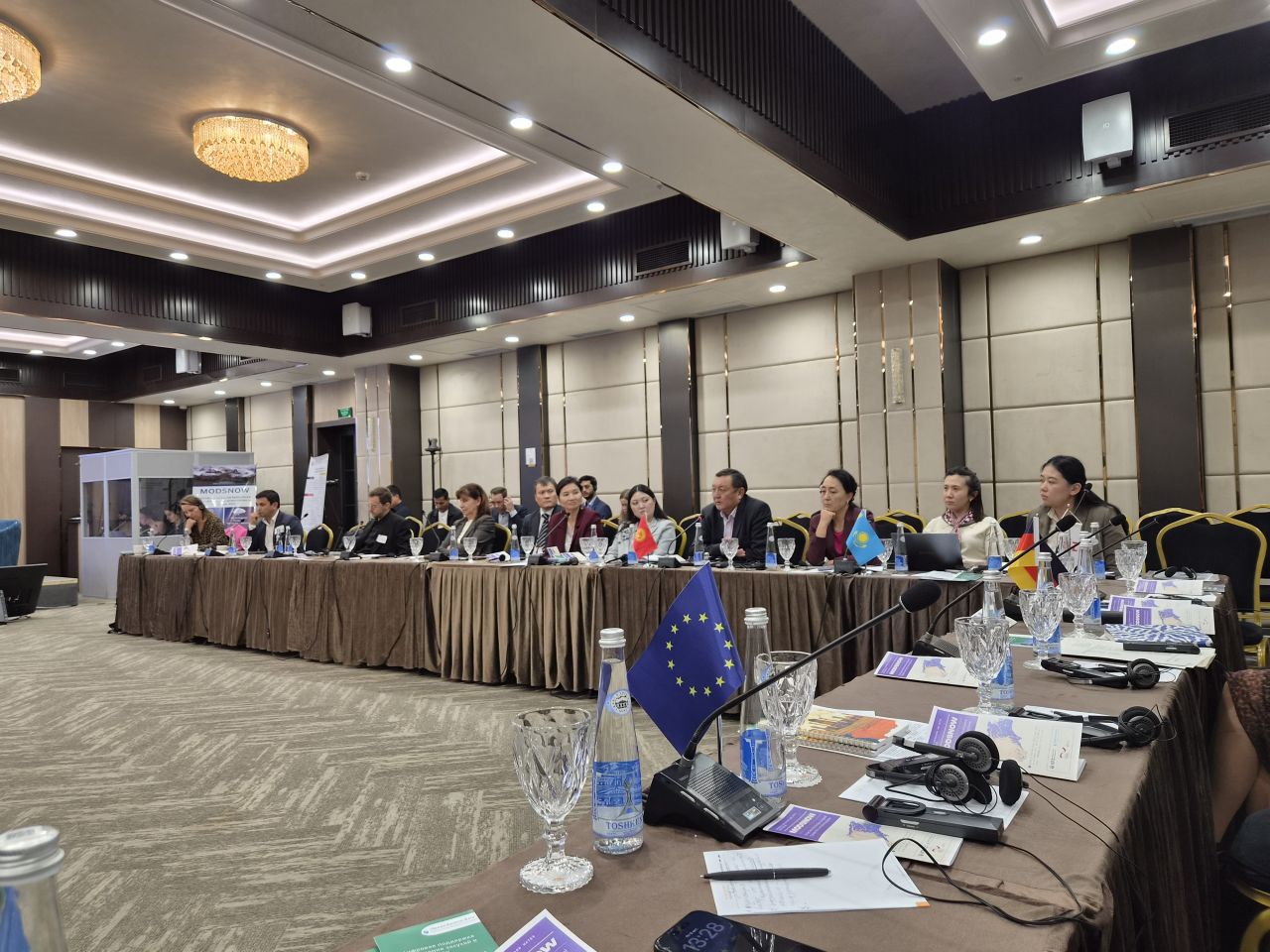
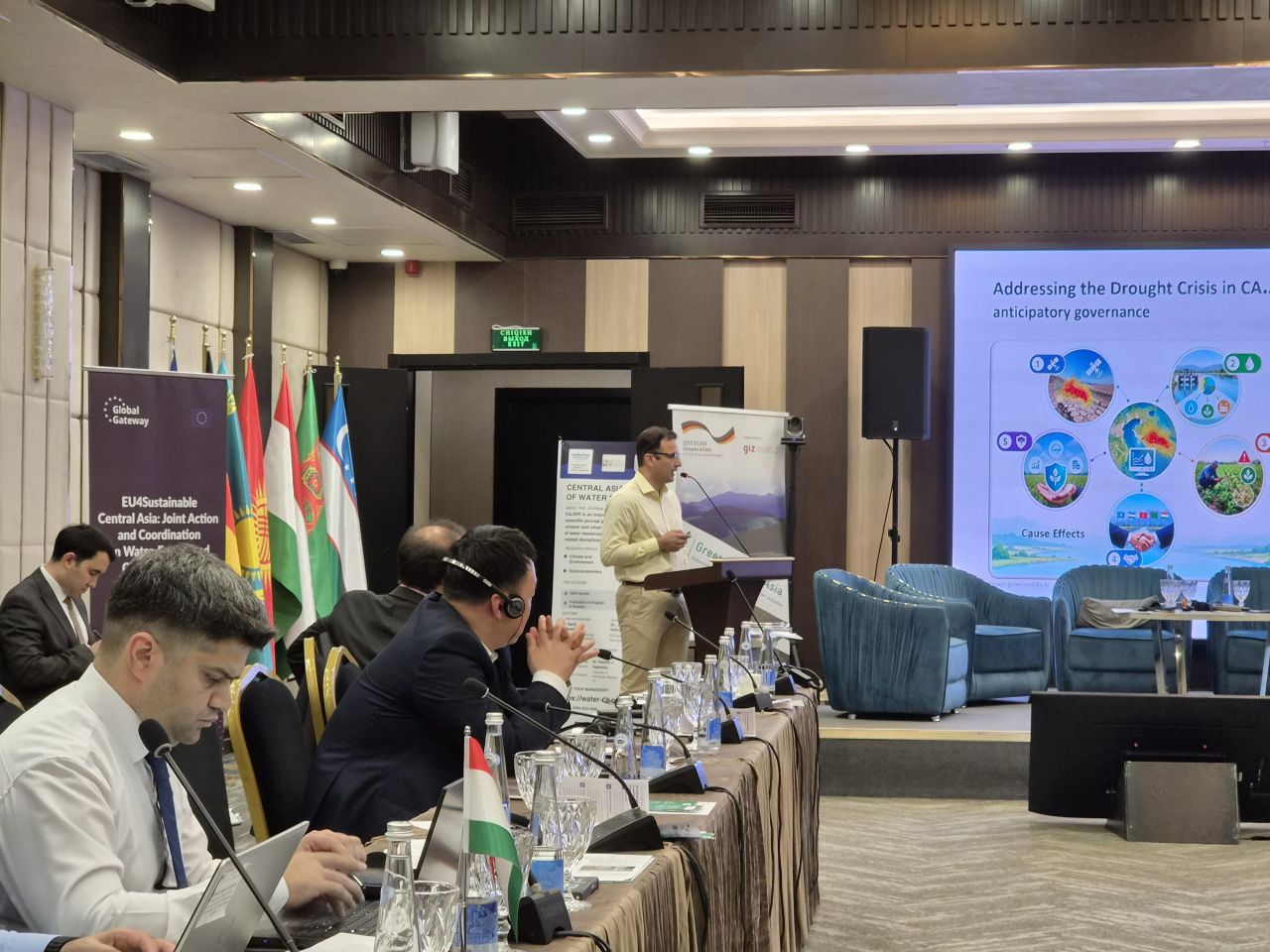
Last week, representatives of Martin Luther University Halle-Wittenberg (MLU) and CASIB took part in the Green Central Asia Conference in Tashkent, Uzbekistan.
Launched by the German Federal Foreign Office (AA) in 2020, the initiative “Transboundary Dialogue on Climate, Environment and Security in Central Asia – Bridging Borders to Enhance Regional Adaptation and Mitigation” is entering its second phase. It continues to provide an important framework for strengthening German-Central Asian cooperation on climate change, environmental protection and regional security.
Strengthening Cooperation Between Politics, Science and Practice
The conference brought together representatives of German federal ministries, research institutions and Central Asian government bodies. The German side was represented by the Federal Foreign Office (AA), the Federal Ministry of Research, Technology and Space (BMFTR), the Federal Ministry for Economic Cooperation and Development (BMZ), and the Federal Ministry for the Environment, Climate Action, Nature Conservation and Nuclear Safety (BMUKN). Central Asian participants included representatives of ministries responsible for environmental protection and water management, as well as other relevant institutions.
The exchange highlighted the importance of coordinated action and sustained dialogue between policymakers, researchers and practitioners in addressing shared regional challenges.
From Research to Policy and Practical Solutions
Scientific research and the transfer of research findings into policymaking and practical applications are essential for effective climate adaptation. Through its support for research projects in Central Asia, the BMFTR makes an important contribution to this process.
Alongside the GFZ Helmholtz Centre for Geosciences and the Potsdam Institute for Climate Impact Research (PIK), Martin Luther University Halle-Wittenberg is a long-standing partner in this field. Through its engagement in regional cooperation, MLU contributes to strengthening the links between scientific knowledge, political decision-making and practical implementation.
Building Partnerships for a Sustainable Future
MLU and CASIB value the constructive cooperation within the Green Central Asia initiative, coordinated in Tashkent by Dr Caroline Milow of GIZ. We also extend our sincere thanks to our Central Asian partners for their strong interest in cooperation and their openness to continued dialogue.
By bringing together expertise from science, politics and practice, the initiative helps lay the groundwork for stronger regional cooperation and more effective responses to climate and environmental challenges across Central Asia.