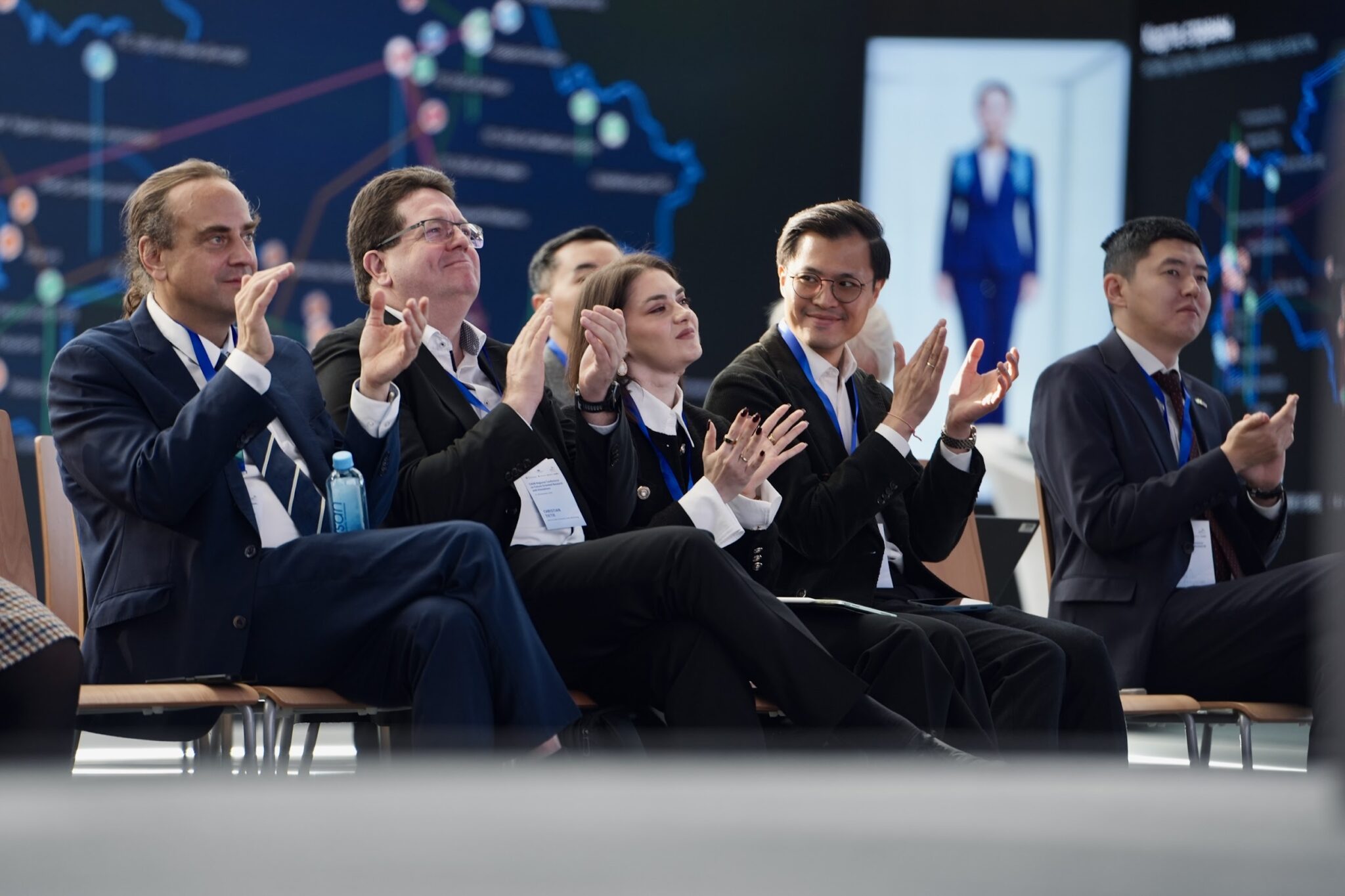
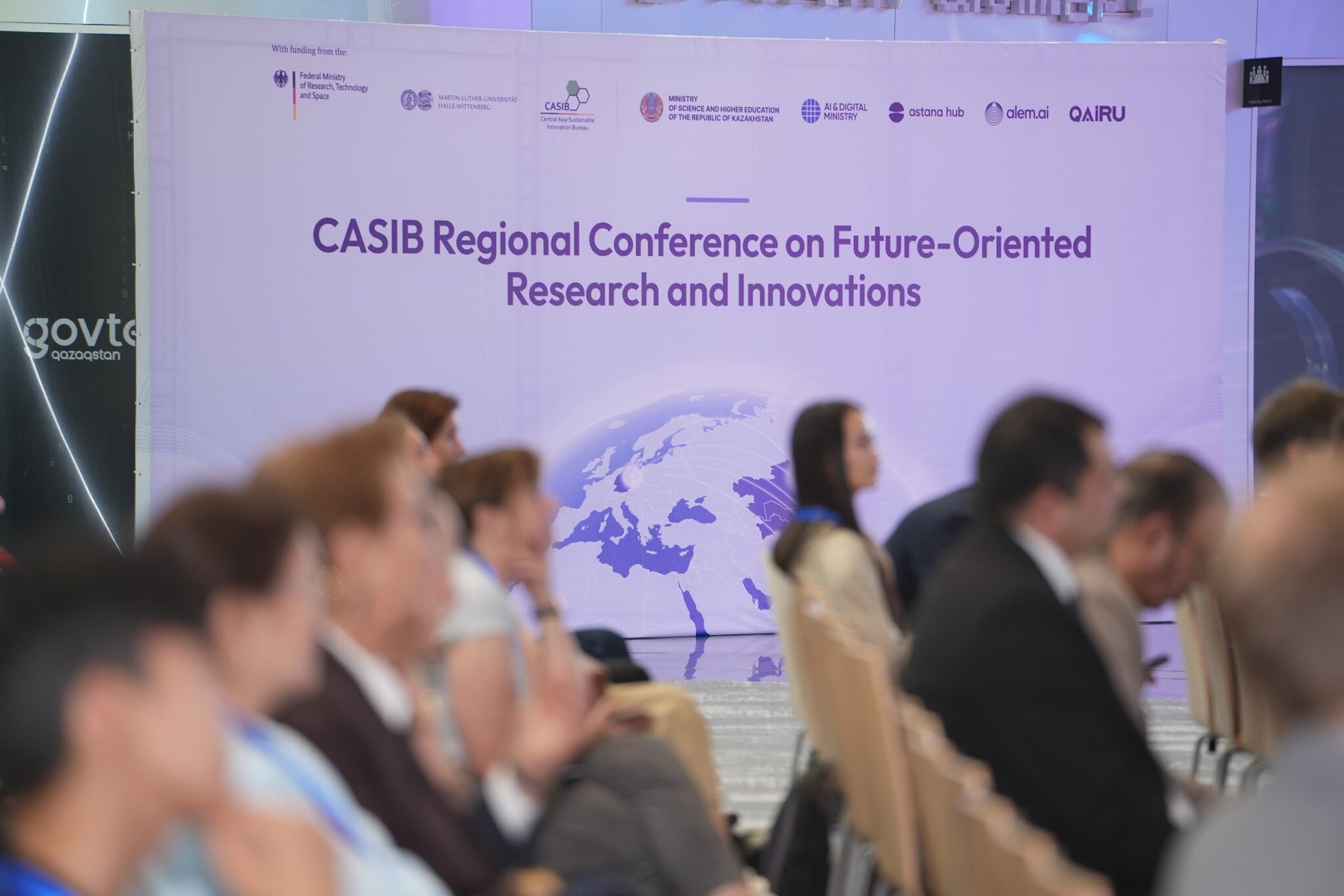
CASIB Regional Conference on Future-Oriented Research and Innovations Held in Astana
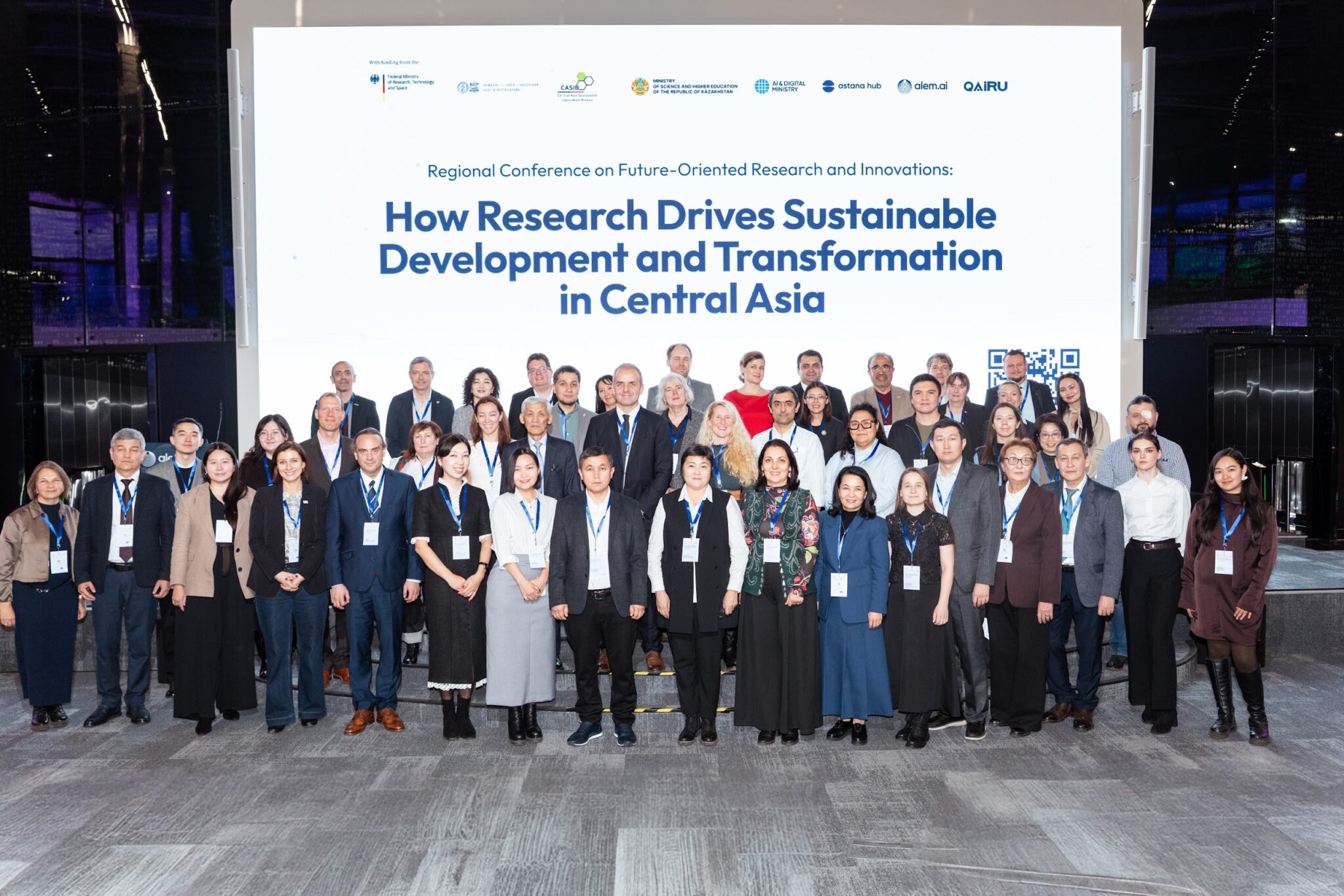
The CASIB Regional Conference on Future-Oriented Research and Innovations, held on 17–18 November 2026 in Astana, brought together researchers, policymakers, representatives of universities, research institutions, international organisations and the business community from Central Asia and Europe.
Under the overarching theme “How Research Drives Sustainable Development and Transformation in Central Asia”, the conference provided a platform for presenting research and innovation projects, discussing regional challenges, strengthening international partnerships and exploring ways to translate scientific knowledge into practical solutions.
The conference was organised by the Representative Office of Martin Luther University Halle-Wittenberg in Kazakhstan / Central Asia Sustainable Innovation Bureau (CASIB), with the support of the German Federal Ministry of Research, Technology and Space (BMFTR), the Ministry of Science and Higher Education of the Republic of Kazakhstan and the Ministry of Artificial Intelligence and Digital Development of the Republic of Kazakhstan.
Day 1: Research, Innovation and International Partnerships
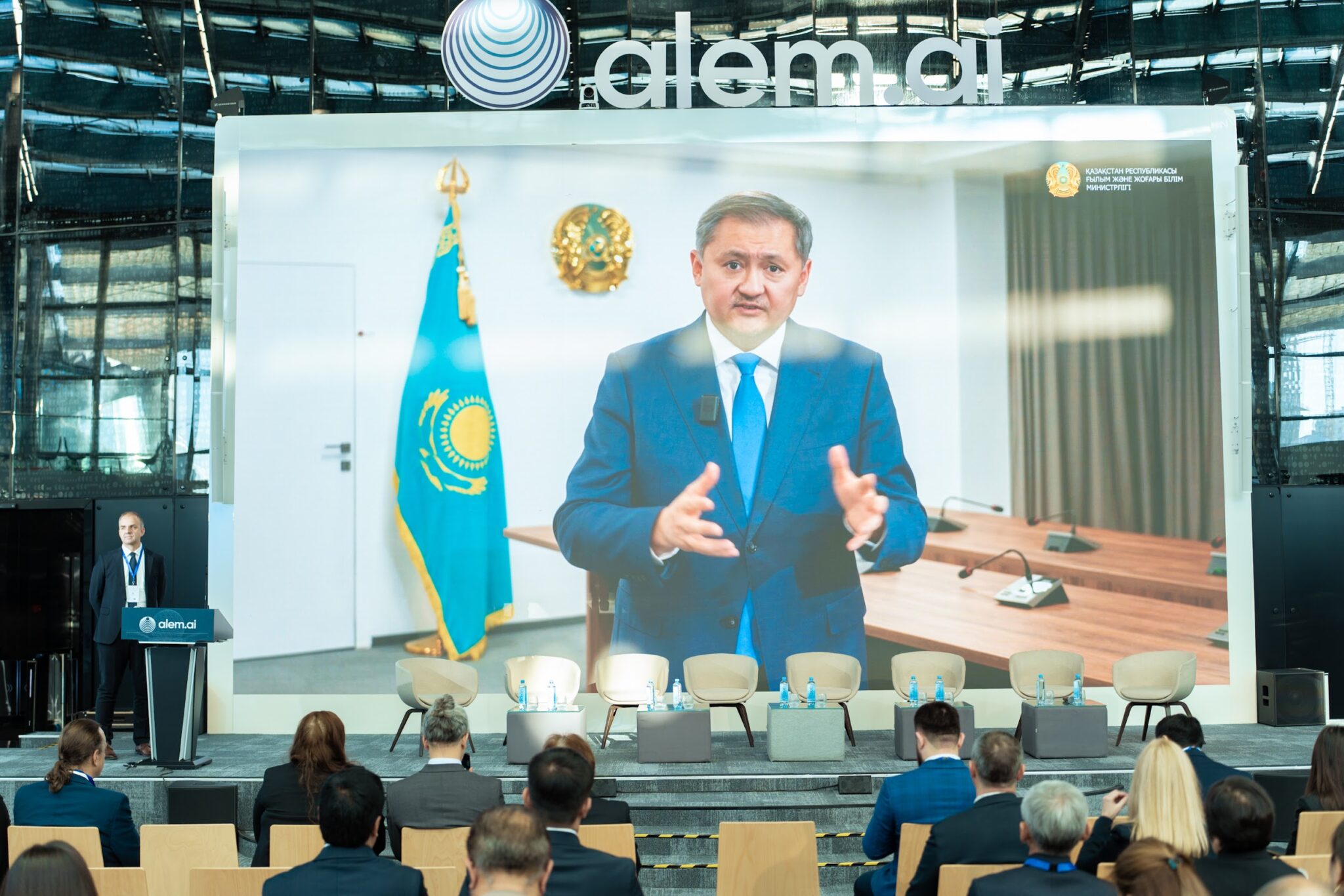
The first conference day, held at the Alem.ai Plenary Hall at the EXPO Exhibition Centre, opened with welcoming remarks by representatives of Martin Luther University Halle-Wittenberg, the Embassy of the Federal Republic of Germany in Astana, the German Federal Ministry of Research, Technology and Space (BMFTR), and the ministries of the Republic of Kazakhstan.
The opening addresses were delivered by Prof. Dr. Pablo Pirnay-Dummer (Martin Luther University Halle-Wittenberg), Dr. Heike Renate Peitsch (Embassy of the Federal Republic of Germany in Astana), Daniyar Meirbekov (Ministry of Artificial Intelligence and Digital Development of the Republic of Kazakhstan), Renat Yelshibekov (Science Committee of the Ministry of Science and Higher Education of the Republic of Kazakhstan), and Patricia Romanowsky (BMFTR). The opening session was moderated by Dr. Peter Liebelt, Head of CASIB and Head of the Martin Luther University Halle-Wittenberg Representative Office in Kazakhstan.
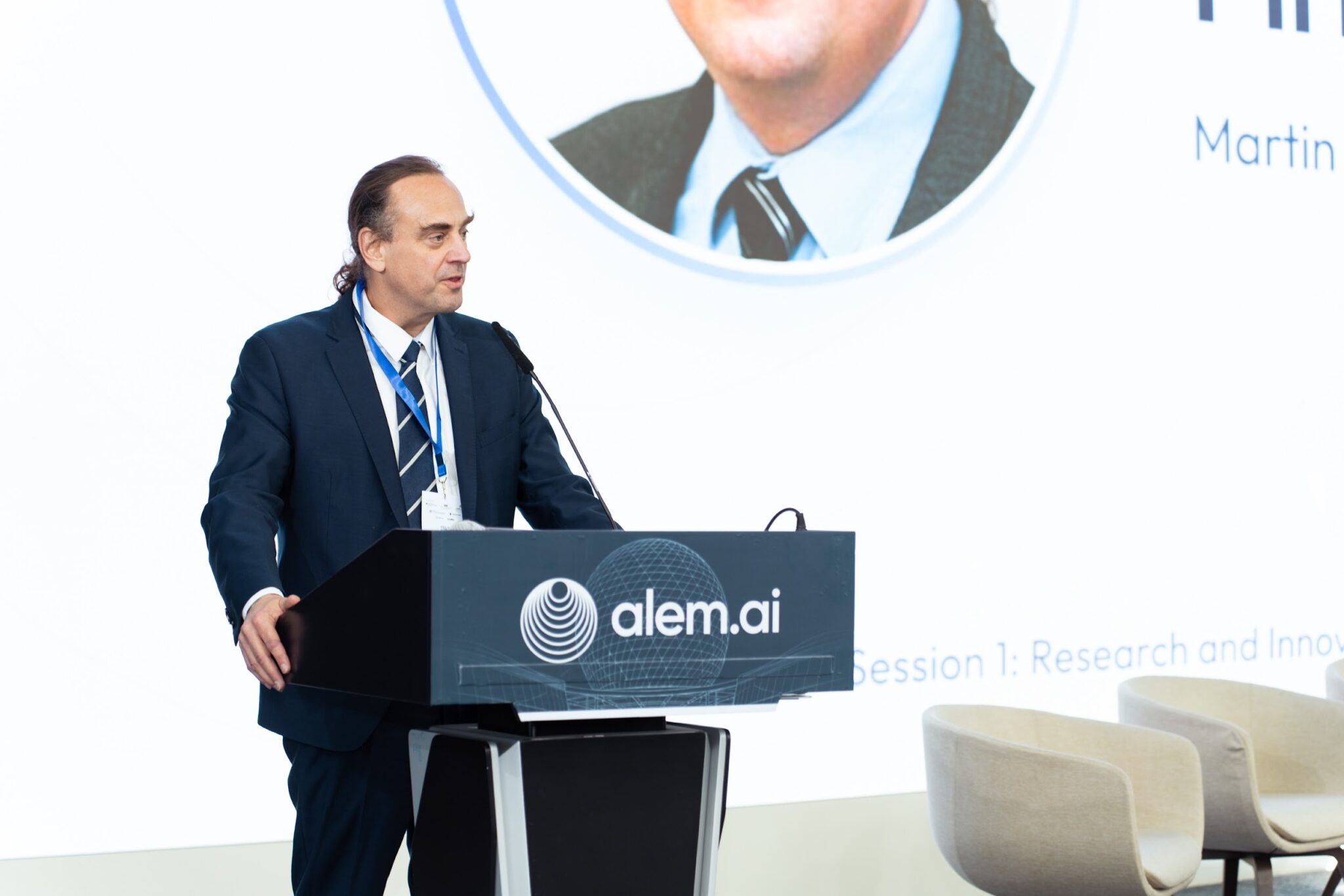
The first session presented research and innovation projects supported by BMFTR and the German Research Foundation (DFG), highlighting their contribution to sustainable development and climate resilience in Central Asia.
Researchers from Weihenstephan-Triesdorf University of Applied Sciences, the Julius Kühn-Institute, Leibniz University Hannover, the Leibniz Institute of Agricultural Development in Transition Economies (IAMO), Nazarbayev University and Urgench State University presented their work on agroforestry value chains, fruit genetic resource conservation, climate-resilient crop breeding, soil science, water management, sustainable mobility and AI-driven urban resilience.
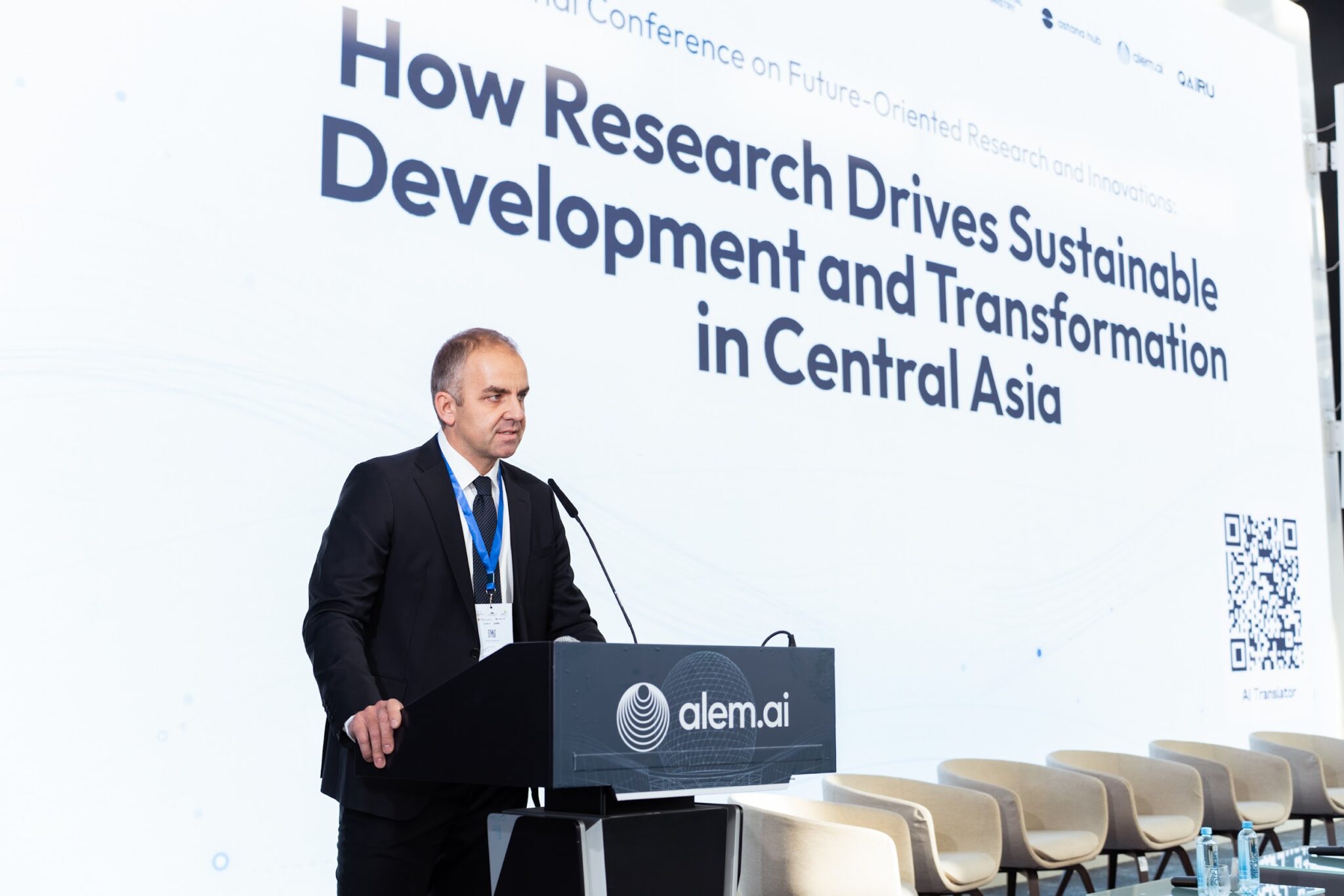
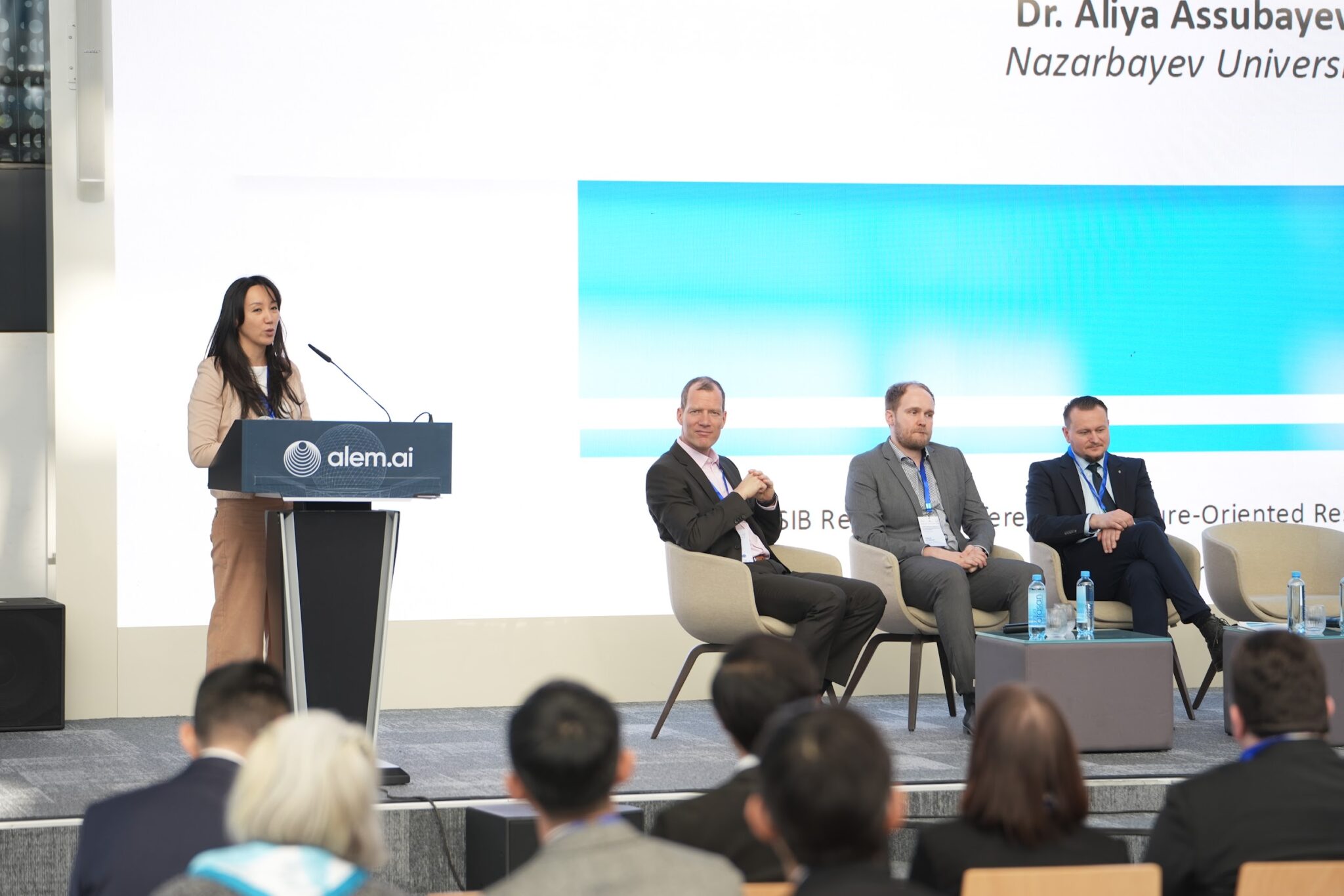
The second session explored how research, innovation and international cooperation can be translated into practical solutions for sustainable transformation in Central Asia.
Contributions came from Martin Luther University Halle-Wittenberg, the Scientific and Educational Center “Green Academy”, the German Agency for International Cooperation (GIZ), the German Chamber of Commerce in Central Asia (AHK Central Asia), the University of Duisburg-Essen, Westminster International University in Tashkent and KPTG at Martin Luther University Halle-Wittenberg.
Presentations addressed inclusive climate action, digital measurement, reporting and verification (MRV), energy transition, green and circular economy, sustainable agriculture and digitalisation in healthcare. The projects and initiatives demonstrated how scientific expertise and international partnerships can support evidence-based policymaking and practical transformation across the region.
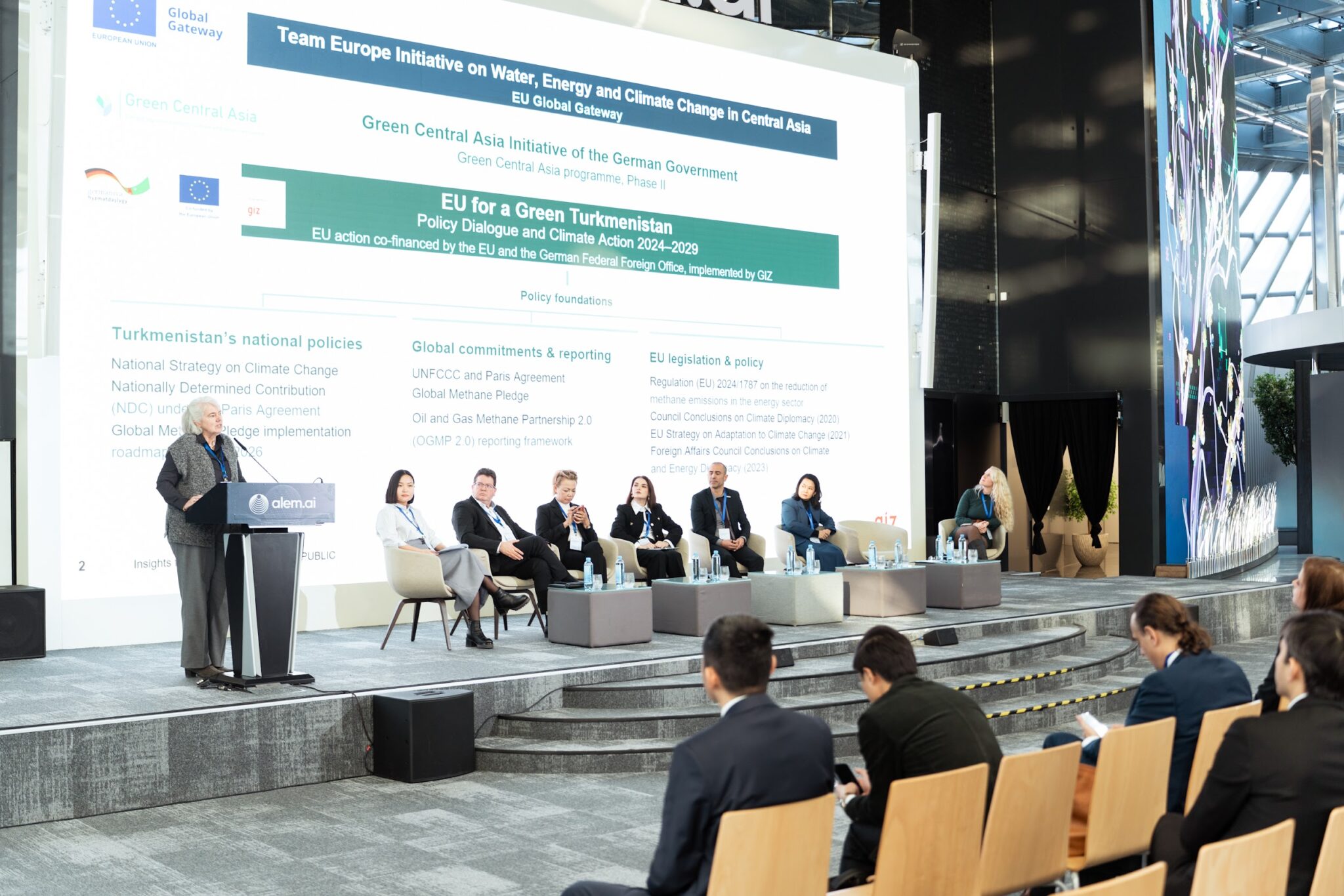
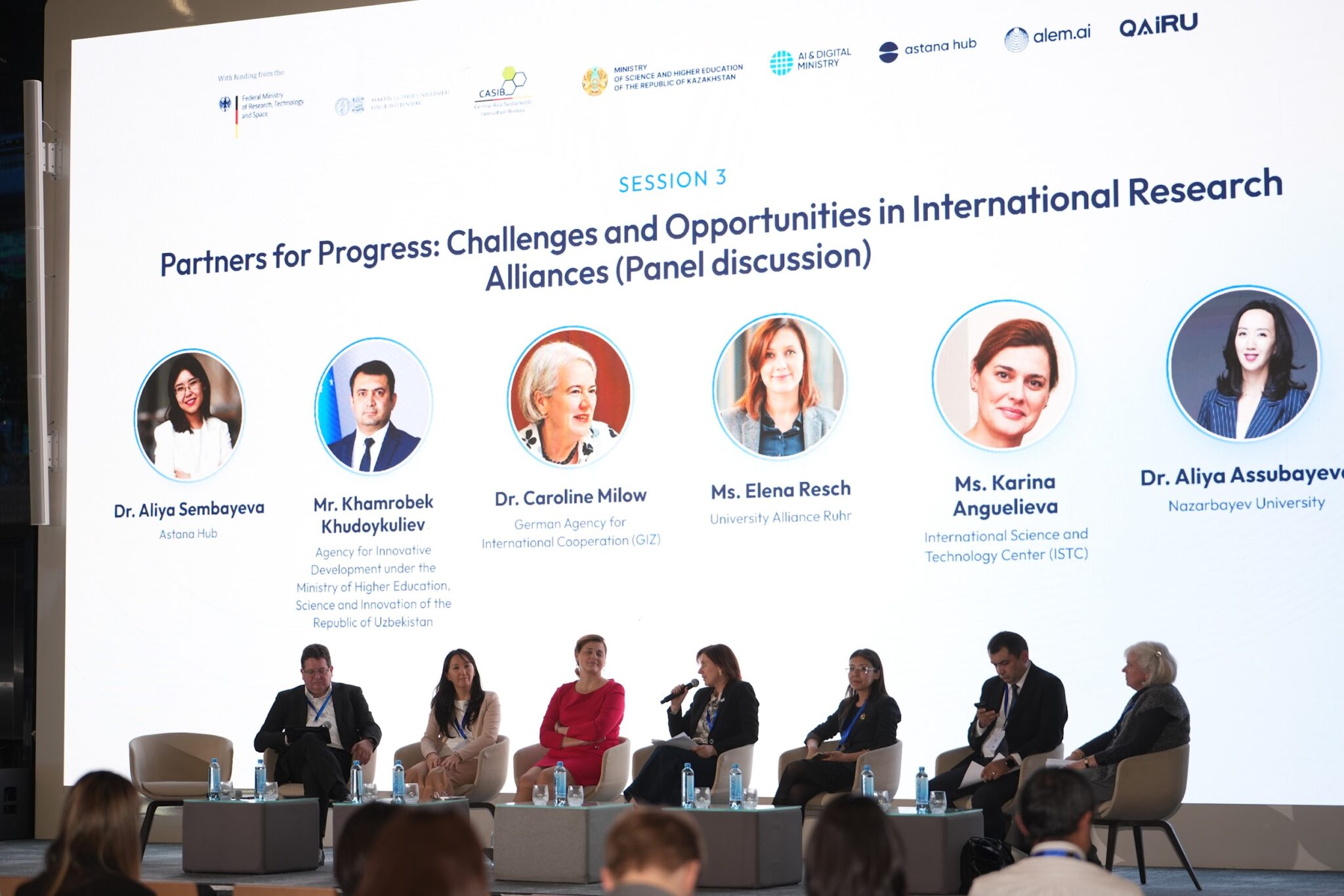
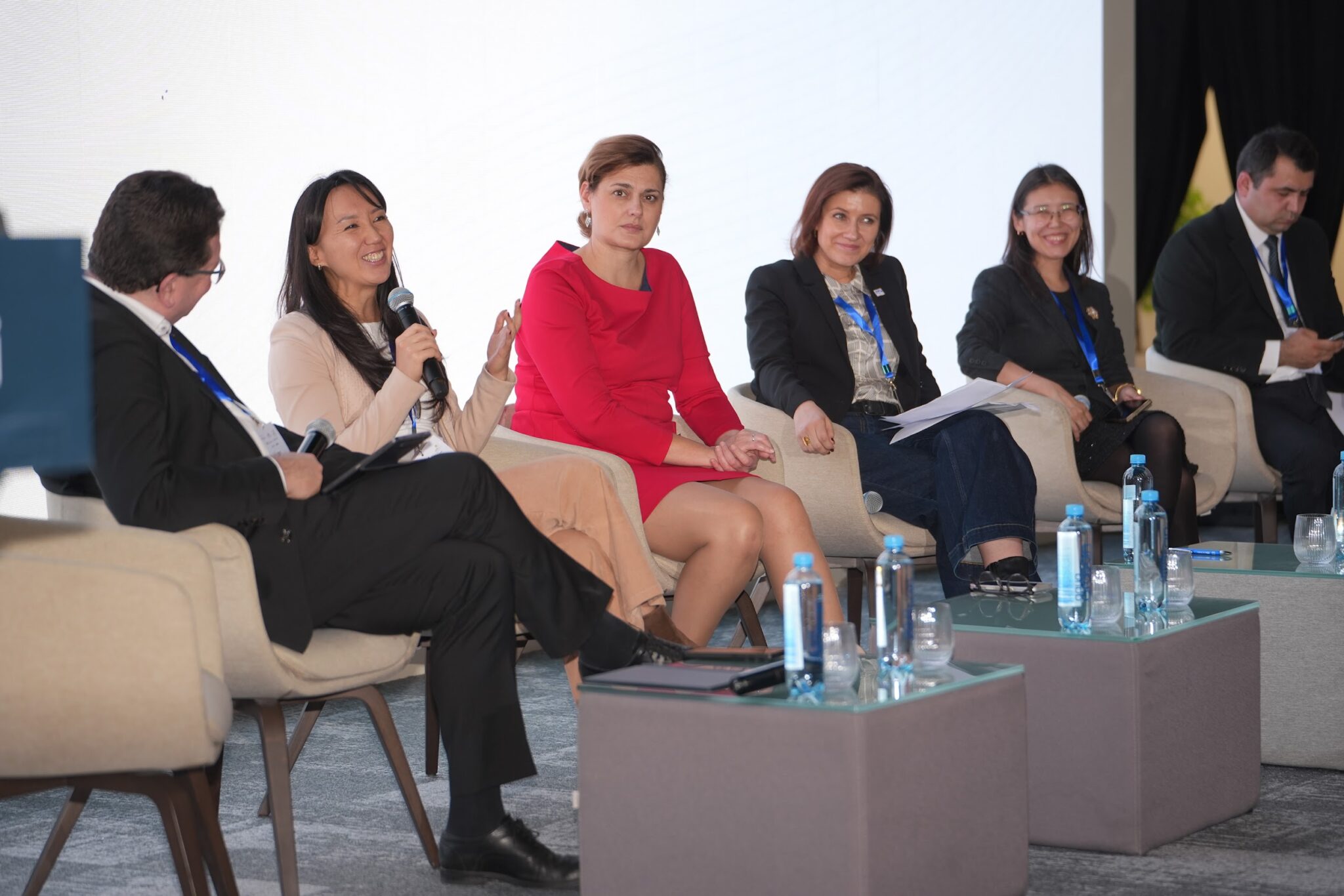
The panel discussion brought together representatives of Astana Hub, the Agency for Innovative Development under the Ministry of Higher Education, Science and Innovation of the Republic of Uzbekistan, GIZ, the University Alliance Ruhr, the International Science and Technology Center (ISTC) and Nazarbayev University.
Moderated by Prof. Dr Christian Tietje from Martin Luther University Halle-Wittenberg, the discussion focused on opportunities and challenges in building international research partnerships, strengthening institutional cooperation and supporting early-career researchers through joint projects, international funding programmes, academic mobility and research networks.
Alem.ai Guided Tour
As part of the programme, participants visited the Alem.ai ecosystem, where they were introduced to Kazakhstan’s innovation infrastructure and opportunities for cooperation in artificial intelligence, technology development and entrepreneurship.


Strengthening Research Cooperation between Central Asia and Europe
The conference highlighted the importance of international partnerships, interdisciplinary research and stronger links between science, policymaking and business.
The participation of universities, research institutions, international organisations and innovation stakeholders from across Central Asia and Europe demonstrated the value of collaborative approaches to addressing shared regional challenges and advancing sustainable development.
CASIB would like to thank all speakers, moderators, participating organisations and attendees for their valuable contributions and active engagement.
Special thanks go to Alem.ai, Astana Hub and Qazaq AI Research University (QAIRU) for hosting the conference activities, as well as KPTG at Martin Luther University Halle-Wittenberg and the German Research Foundation (DFG) for their contributions to the second conference day.
The conference reaffirmed the importance of building sustainable partnerships between Central Asian and European research institutions and creating new opportunities for joint research, knowledge exchange and innovation.