First German Higher Education and Science Forum Central Asia
From 23 to 25 February 2026, the First German Higher Education and Science Forum Central Asia took place in Halle (Saale), Germany.
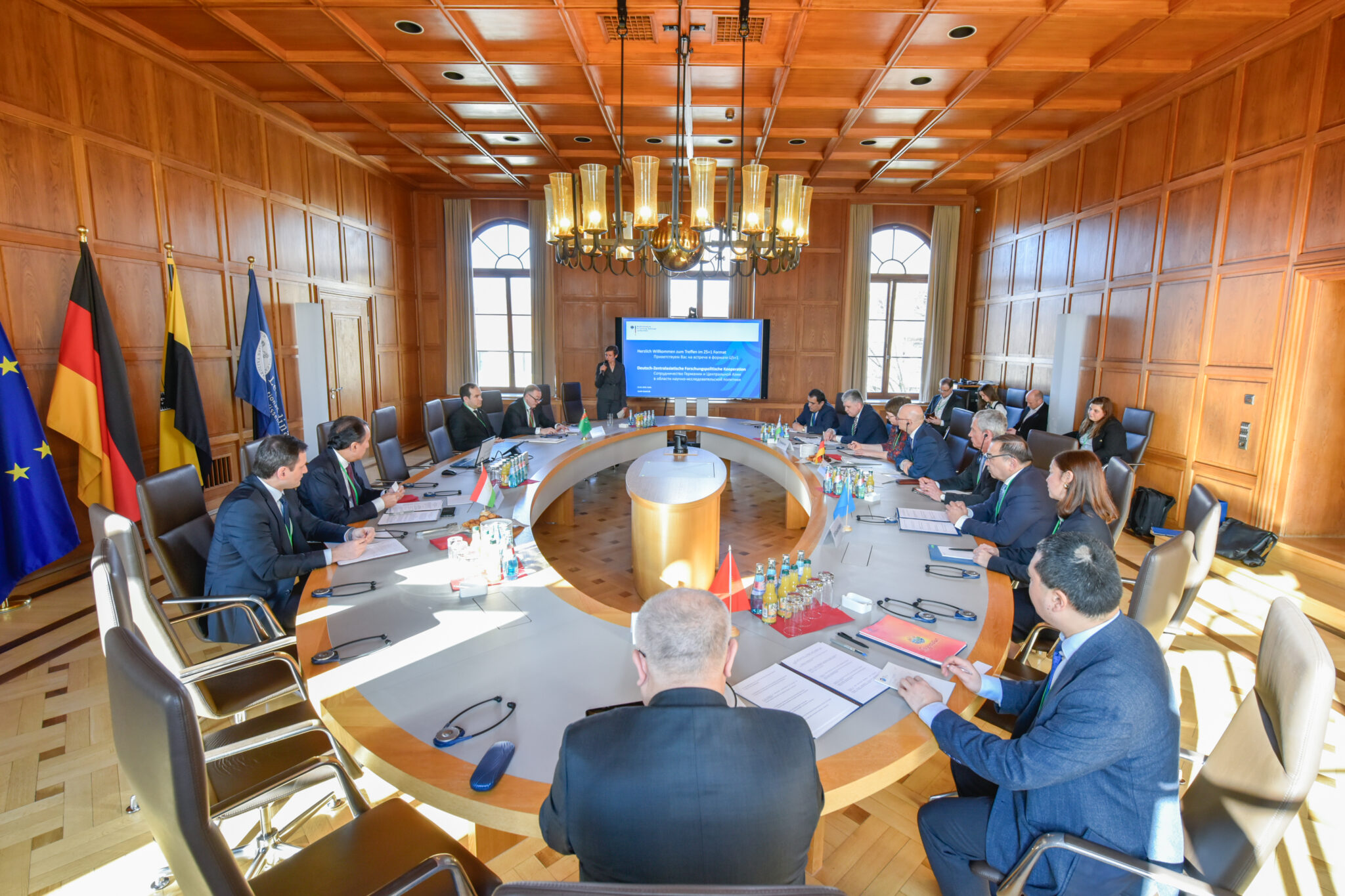
From 23 to 25 February 2026, the First German Higher Education and Science Forum Central Asia took place in Halle (Saale), Germany. The forum was organized by Martin Luther University Halle-Wittenberg (MLU) in cooperation with the Central Asia Sustainable Innovation Bureau (CASIB) and supported by the Federal Ministry for Research, Technology and Space. The event was held within the framework of the strategic regional partnership in the C5+1 format.
Platform for scientific exchange
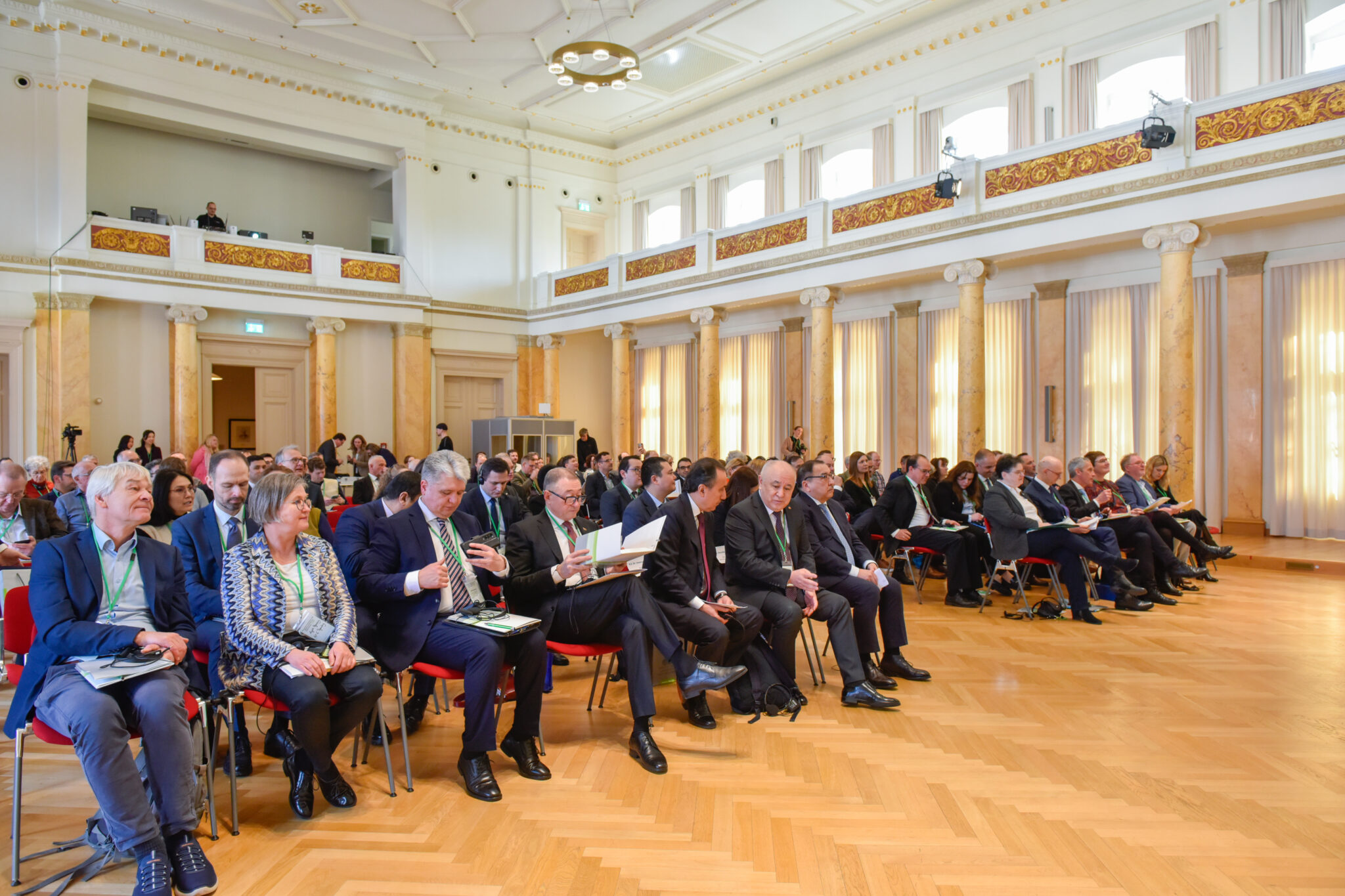
The forum brought together more than 200 participants from academia, government, and research funding organisations. The event aimed to strengthen networking between German universities and research institutions and their partners in Central Asia, while exploring new opportunities for joint research initiatives.
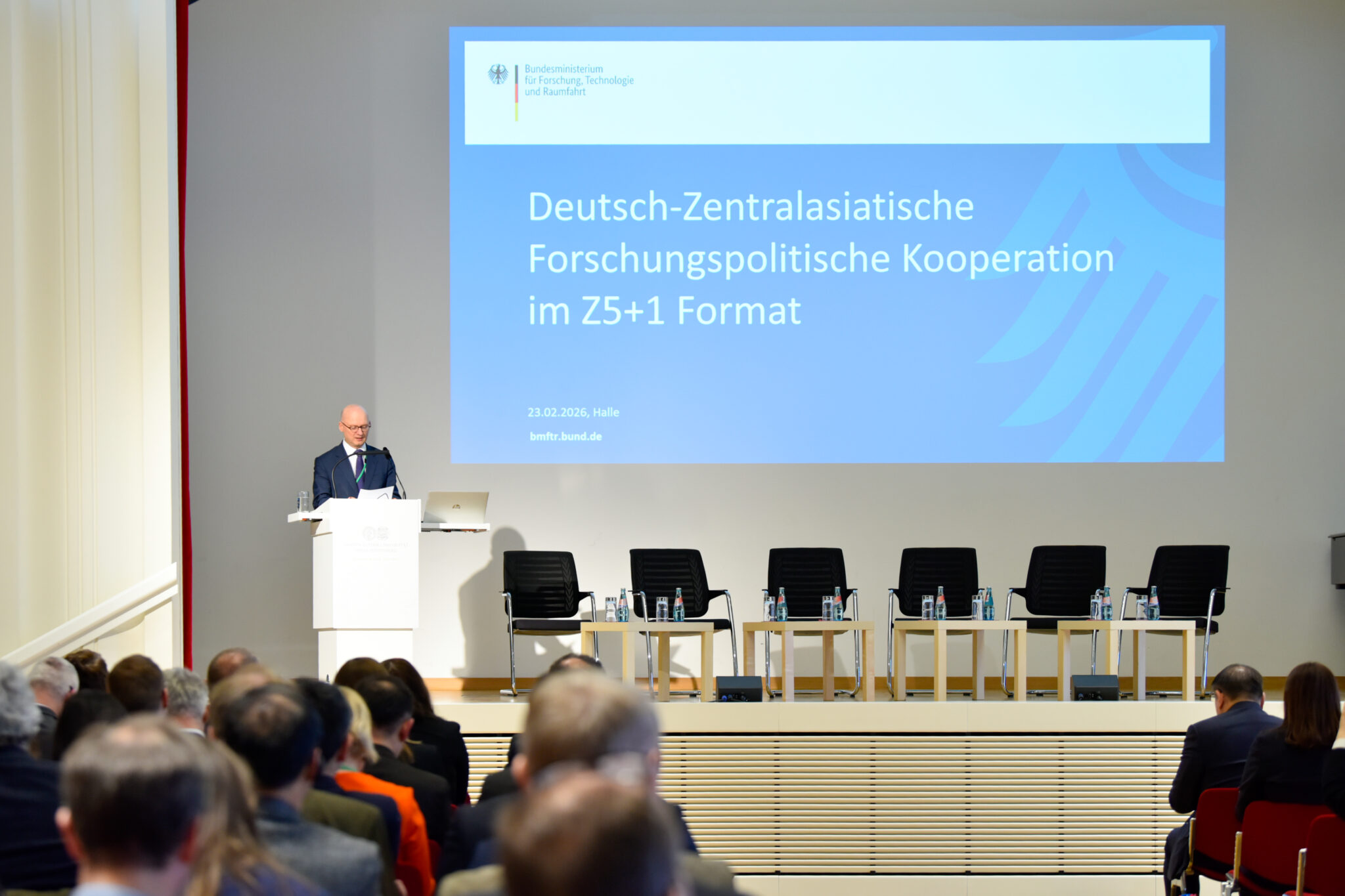
The opening session featured welcoming remarks by Prof. Dr. Claudia Becker, Rector of Martin Luther University Halle-Wittenberg, and Prof. Dr. Karin Jacobs, Member of the DFG Scientific Senate Prof. Dr. Georg Guggenberger. The keynote address was delivered by Dr. Manfred Nawroth, Vice President of the German Cultural Council.
German–Central Asian research policy cooperation
A central part of the programme focused on research policy cooperation between Germany and the countries of Central Asia. The session included contributions from Dr. Marcus Pleyer, State Secretary at the Federal Ministry for Research, Technology and Space, as well as the ambassadors of Kazakhstan, Kyrgyzstan, Tajikistan, Turkmenistan, and Uzbekistan.
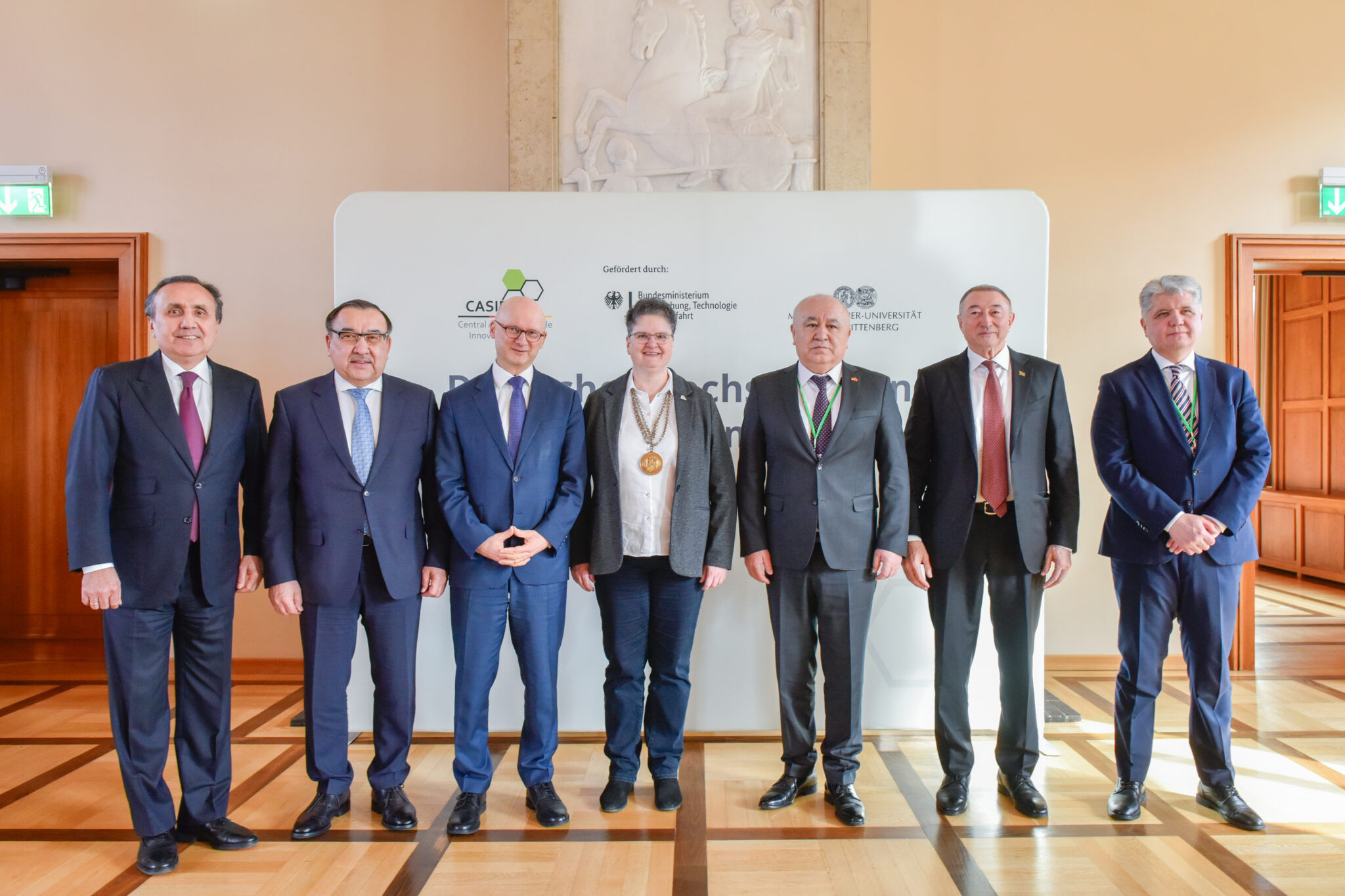
During the forum, a Memorandum of Understanding (MoU) on research-policy cooperation was signed between the ambassadors of the five Central Asian countries and the German Federal Ministry for Research, Technology and Space, marking an important step towards strengthening scientific collaboration.
Workshops and cooperation experiences
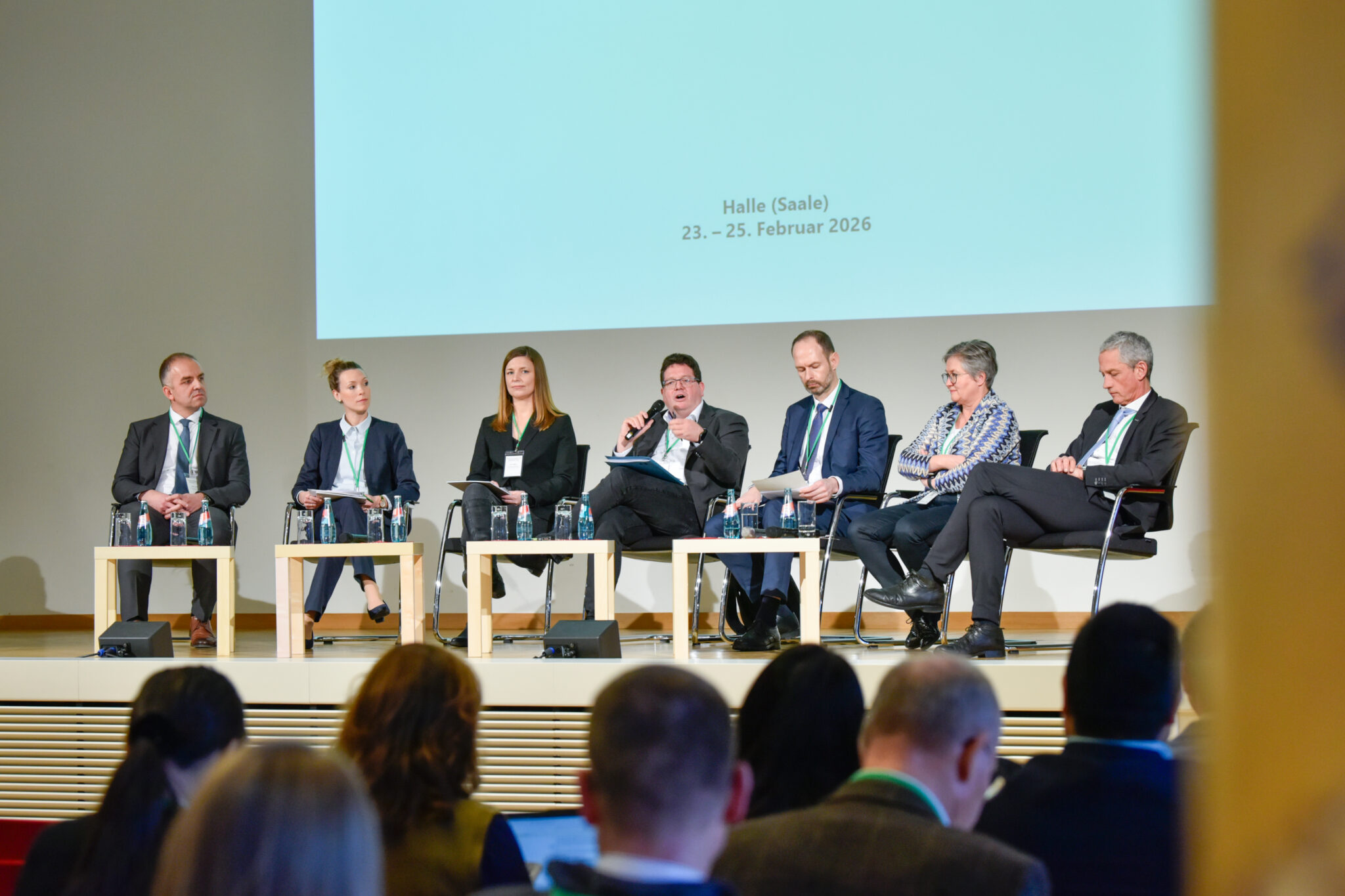
The programme included a series of presentations, panel discussions and workshops in which participants shared experiences from existing research partnerships and discussed perspectives for future cooperation.
Key topics included:
- scientific collaboration between Germany and Central Asia
- support for early-career researchers
- knowledge transfer and academic networking
- development of new research cooperation formats
In addition, a dedicated information session on research funding provided insights into current funding opportunities for German–Central Asian cooperation. Representatives from major German funding organisations—including the Federal Ministry for Research, Technology and Space, the German Research Foundation (DFG), the German Academic Exchange Service (DAAD), and the Hanns Seidel Foundation presented their programmes and initiatives.
Outlook
The lively discussions and the positive atmosphere among participants demonstrated the strong interest in this exchange format. The forum provided an important platform for dialogue, networking, and the development of new collaborative initiatives between Germany and Central Asia.
Following the successful launch of the forum, the organizers plan to continue this dialogue and further strengthen scientific cooperation. The results of the discussions will be reflected in a final report, and additional networking activities are planned to support long-term collaboration between German and Central Asian research communities