Political framework for research cooperation with the region (regional strategies)
Обзор: Region: Central Asia
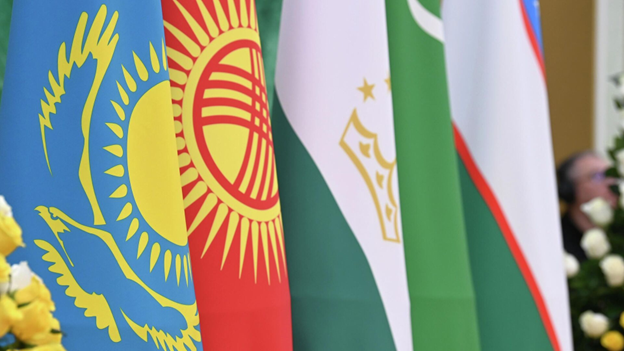
The Federal Ministry for Research, Technology and Space (BMFTR) promotes international cooperation in research and innovation with Central Asia in order to make a significant contribution to addressing global and regional challenges. The UN Sustainable Development Goals provide the general framework for this.
The Internationalization Strategy of the German Federal Government (2017) forms the basis for shaping international research cooperation with Central Asia and thus serves as an important guideline for collaboration with the region. At a higher level, the revised EU Central Asia Strategy (2019) is also of great relevance for research cooperation with the region. Accordingly, all cooperation projects with Central Asia are closely aligned with both strategies and are aimed at their successful implementation. In this context, the Internationalization Strategy of the German Federal Government is the highest priority for BMFTR.
Strategy papers and declarations relevant to international research projects with the Central Asia region:
- UN Sustainable Development Goals/ German Sustainability Strategy
- EU Central Asia Strategy
- Internationalization strategy of the Federal Government
- Strategic Regional Partnership with Central Asia (Z5+1 format)
1) UN / German Sustainability: 1. UN Sustainable Development Goals/ German Sustainability Strategy
The UN Sustainable Development Goals (SDGs) form the global framework for research cooperation between Germany and Central Asia and are therefore considered.Guideline of research policy of great importance. The 17 Sustainable Development Goals (SDGs) aim to ensure socially, economically, and environmentally sustainable development, thereby enabling an adequate quality of life while simultaneously preserving natural resources for the long term.
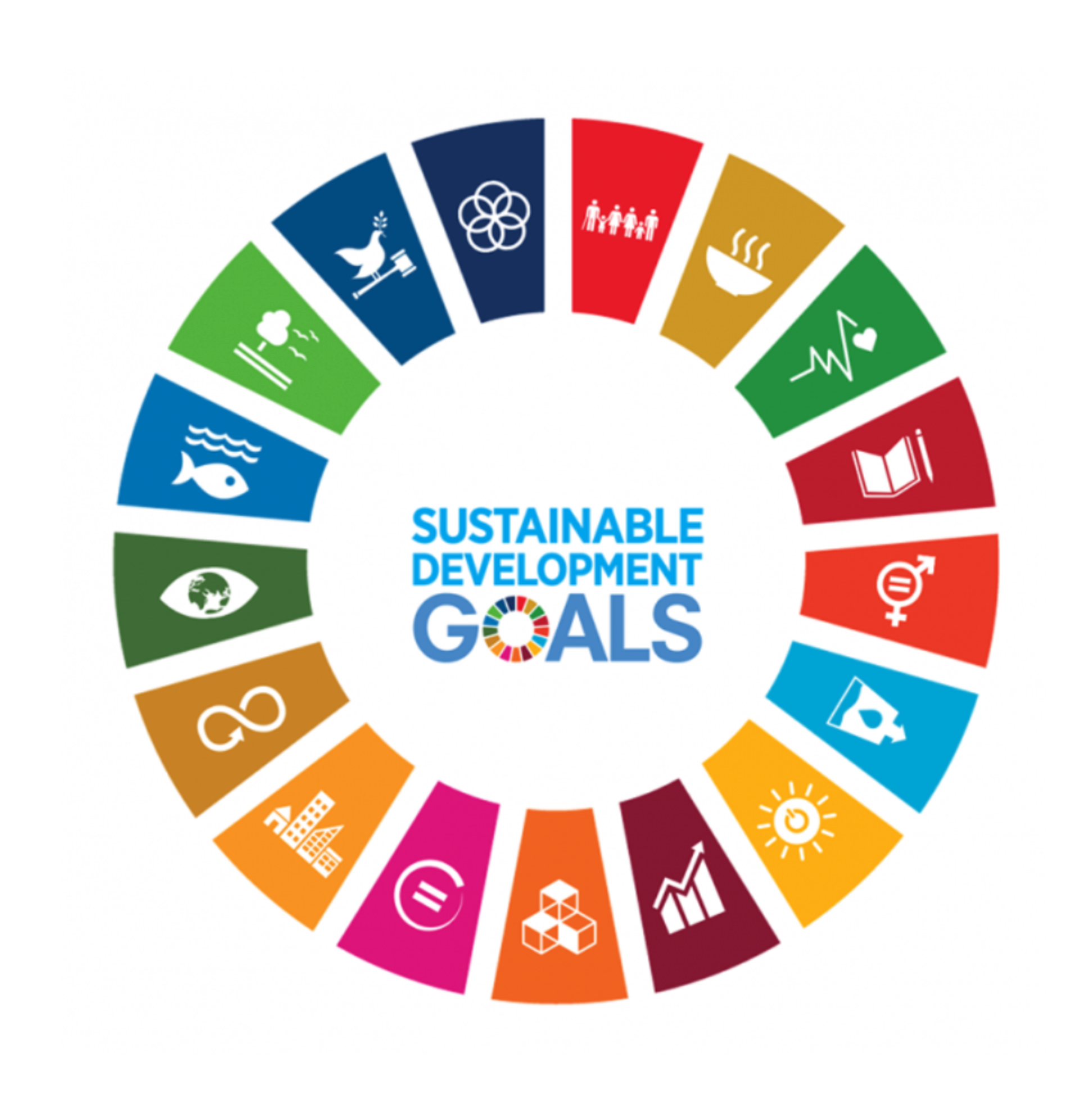
The Federal Government has dealt with the German Sustainability Strategy 2021. The strategy commits to implementing the SDGs and sees science as a key player in this process. Education, research, and innovation are explicitly highlighted in the strategy when it comes to supporting the transformation process towards greater sustainability.
The BMFTR (The Federal Ministry for Research, Technology and Space) has taken on the topic of sustainability.
Sustainability has been adopted as an important guiding principle, and research programs such as FONA (Research for Sustainability) have been established for its implementation. Against the backdrop of global challenges and the aim of considering all countries equally in the strategy (inclusion as a key strategic goal), international research cooperation is of great importance.Thus the UN Sustainable Development Goals strengthen international cooperation and promote the exchange of knowledge and technologies to ensure a sustainable future for all.
2. EU-Central Asia Strategy: 2. European level: EU-Central Asia Strategy
The EU Central Asia strategy plays a significant role for the Research cooperation between the European Union and the Central Asian countries. The strategy, which was updated in 2019 and 2024/2025, aims to intensify and expand relations with the Central Asian republics of Kazakhstan, Kyrgyzstan, Tajikistan, Turkmenistan and Uzbekistan.
A key aspect of the strategy is the promotion of Research and Innovation Partnership and cooperation agreements, as well as specific programs such as the Horizon 2020 framework program for research and innovation, support joint research projects and the exchange of knowledge and technologies. This collaboration contributes to.Strengthening scientific capacities in Central Asia and at the same time the access to new markets and resources to enable European researchers.
The three central concerns mentioned in the strategy paper are:
Resilience.
The EU aims to make the states of Central Asia more resilient to internal and external challenges. This includes supporting reforms in areas such as the rule of law, human rights, democracy, and the independence of the judiciary. Cooperation on security issues, environmental concerns, and migration is also part of this objective.
Prosperity.
A key objective is to support economic diversification and private sector development in Central Asia. The EU promotes trade within and outside the region, investment, and the improvement of working conditions. Particular emphasis is placed on developing a competitive private sector and cooperation in the area of critical raw materials.
Regional Cooperation.
The strategy aims to strengthen cooperation between Central Asian states, as many challenges are best addressed jointly. This also includes better cooperation between the EU and its member states to increase policy effectiveness.
Current and future research collaborations are specifically aligned with the challenges and priorities of the EU strategy. Current research priorities include:
Sustainable connectivity:
Support for the Trans-Caspian Transport Corridor to improve trade routes between Central Asia and Europe, based on the Global Gateway Initiative.
Digital Agenda:
Initiative to bridge the digital divide and promote digital networking.
Energy and Environment:
Cooperation on critical raw materials (e.g. through agreements for sustainable supply chains) and innovative water-energy cooperation.
Security policy:
Increased dialogue on cybersecurity, hybrid threats, counter-terrorism and border security.
To this end, the first summit between the EU leaders and the heads of state and government of the five Central Asian countries (Kazakhstan, Kyrgyzstan, Tajikistan, Turkmenistan and Uzbekistan) took place in Samarkand, Uzbekistan, on April 4, 2025.
Overall, the EU Central Asia Strategy contributes to intensifying and expanding research cooperation between the EU and Central Asia by creating a framework for joint projects and the exchange of knowledge and technologies.
Sources:
The EU Central Asia Strategy 2019 – more of a framework for action than a strategic document, Katrin Böttger, Yvonne Braun and Julian Plottka, Vol. 42, No. 4 (2019), pp. 297-320 (24 pages)
REPORT on the implementation and revision of the EU’s Central Asia Strategy, 8 March 2016 — (2015/2220(INI)), Committee on Foreign Affairs, Rapporteur: Tamás Meszerics
https://www.bundestag.de/resource
https://www.spdfraktion.de/system
https://www.eeas.europa.eu/node/62412_en
https://www.eeas.europa.eu/sites
3. National level: 3.1National level: Germany’s Key Scientific and Research Cooperation Initiatives with Central Asia
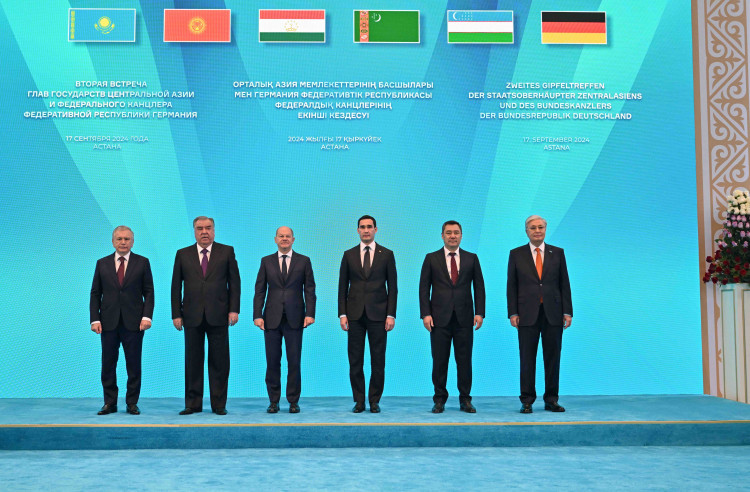
Joint declaration on C5+1 in Astana 2024
Germany’s scientific and technological cooperation with Central Asia is built on the 1987 concluded Science and Technology Cooperation Agreement and reinforced through bilateral partnerships aligned with the EU’s Central Asia Strategy and Germany’s Internationalisation Strategy.(https://www.akorda.kz/en)
Practical implementation is supported by targeted funding programmes, delegation visits, major scientific events, and the coordinating role of the CASIB office, as well as the Innovation Partnership with Uzbekistan. Cooperation focuses on key areas such as climate and environmental research, water management, agriculture and land use, natural hazards, biodiversity, clean energy, sustainable urban development, and health.
Source https://www.internationales-buero.de/en, https://www.bmftr.bund.de/EN)
17 September, 2024 the leaders of Central Asia reaffirmed their intention to strengthen the strategic partnership between Germany and Central Asia based on shared values and respect for sovereignty. They emphasized the importance of regional stability, peaceful dialogue, and joint responses to global challenges, including climate change and security issues. The leaders agreed to advance cooperation in water and climate management, renewable energy, green hydrogen, transport corridors, and scientific and educational initiatives. They also noted the growing role of Germany and the EU in supporting environmental sustainability, the energy transition, and enhanced climate resilience in the countries of Central Asia. https://www.akorda.kz/en, https://www.bundesregierung.de/resource
3.2 Internationalisation strategy: 3.2 Internationalisation strategy
With the Internationalization Strategy, the German Federal Government aims to further develop international cooperation in order to address increasing digitalization, growing complexity, and the need for sustainability. Among the central goals of the Federal Government are ensuring quality of life, health, and prosperity in a globalized world. International cooperation in science and research is seen as having great potential to achieve these goals. Accordingly, international research cooperation with Central Asia is oriented toward achieving the aforementioned strategic objectives of the Federal Government. To maximize the impact of cooperation, synergies with stakeholders from business and politics are being pursued.
Within the general objectives of the Internationalization Strategy, there are specific target formulations for international cooperation in science and research that are of particular relevance to the BMBF. These include:
Strengthening excellence through cooperation
- Strengthening Germany as a research location through international academic mobility
Strengthening innovation
- Integration of Germany into global knowledge flows and value chains
- Networking with international SMEs through innovation collaborations
Inclusion of emerging and developing countries in the global knowledge society
- Dissemination of scientific work practices
- Use of digitalization
Addressing global challenges
- Transnational approach to addressing global challenges such as climate change, health and food security
- Contribution to effective research
- Networking of international actors
- Cross-cutting measures in the area of foreign science policy
3.3 Regional Partnership: 3.3. Strategic Regional Partnership with Central Asia (Z5+1 format)
BMFTR — Department of European and International Cooperation in Education and Research
Strategic Regional Partnership between Germany and Central Asia (C5+1)
Germany and the five Central Asian states have agreed to establish a Strategic Regional Partnership, focusing on four key areas: economy/energy/natural resources, regional cooperation/resilience, climate/environment, and people-to-people contacts. This partnership was formalised in a joint declaration following a summit in Berlin in September 2023.
Key Areas of Cooperation
Economy, Energy, and Natural Resources:
Germany is keen to diversify its access to raw materials and energy sources, and the Central Asian countries are ready to increase mineral and oil exports to the West. Cooperation areas include renewable energy, the development of critical raw materials, and the promotion of the Trans-Caspian transport corridor (Middle Corridor) as an alternative trade route.
Climate and Environment:
Germany is a key driver of the «Green Central Asia» initiative, which promotes regional dialogue and cooperation on climate change impacts, water management, and glacier protection. Recent agreements, such as a strategic partnership in water management with Kazakhstan, highlight the focus on sustainable resource use and climate adaptation.
Regional Cooperation and Resilience:
The partnership aims to support the region’s independence and ability to withstand external pressures, particularly from Russia and China. Germany supports EU initiatives like the Global Gateway strategy to improve connectivity and infrastructure within Central Asia.
People-to-People Contacts: T
he strategy includes strengthening ties in science, higher education (e.g., Kazakh-German University in Almaty), language exchange, and civil society. A civil society conference in Berlin was supported in November 2024, and a Foreign Ministers’ meeting is planned for Spring 2025 in Germany.
The strategic direction of research cooperation between Germany and Central Asia is largely based on the aforementioned Key Areas of the ZA Strategy.
This strategic partnership elevates the long-standing relationship between Germany and the region, building on Germany’s historical role in initiating the EU’s Central Asia strategies in 2007 and 2019.
The strategic direction of research cooperation between Germany and Central Asia is largely based on the aforementioned Key Areas of the ZA Strategy.
This strategic partnership elevates the long-standing relationship between Germany and the region, building on Germany’s historical role in initiating the EU’s Central Asia strategies in 2007 and 2019.
The Federal Ministry of Research, Technology and Space (BMFTR) through its funding programs (e.g., the BMBF’s framework announcement for the promotion of projects in research and innovation cooperation with the countries of the Eastern Partnership and Central Asia,https://www.kooperation-international.de) an important contribution to the successful implementation of the Central Asia strategy.The new initiative supports projects that deepen joint research and innovation activities and enable long-term, effective networking to fully realize cooperation potential (https://www.internationales-buero.de)
Against the backdrop of the С5+1 regional strategy, representatives of German science drafted a position paper in 2023 with proposals for shaping future research cooperation. This proposal is currently being discussed with partners from Central Asia.
Current research priorities of the research collaboration are:
- land management and agriculture;
- climate/environment research and adaptation to climate change;
- water research and water management;
- natural hazards and civil protection;
- sustainable urban development;
- biodiversity research;
- bioeconomy research;
- secure, clean and efficient energy;
- health.
These objectives are based on the various strategy papers (UN Agenda 2030, EU-ZA Strategy, Internationalization Strategy) and are now to be adapted and sharpened in terms of content, with particular consideration given to the objectives of the Strategic Regional Partnership. To this end on May 13, 2025, in framework CA5+1 strategy the Federal Ministry for Research, Technology and Space (BMFTR), with the support of the project management agency DLR-PT and CASIB, organized a round table in Almaty for research policy exchange with political representatives from Kazakhstan, Kyrgyzstan, Uzbekistan, Tajikistan, and Turkmenistan. The event served as a platform to discuss future perspectives for research cooperation.
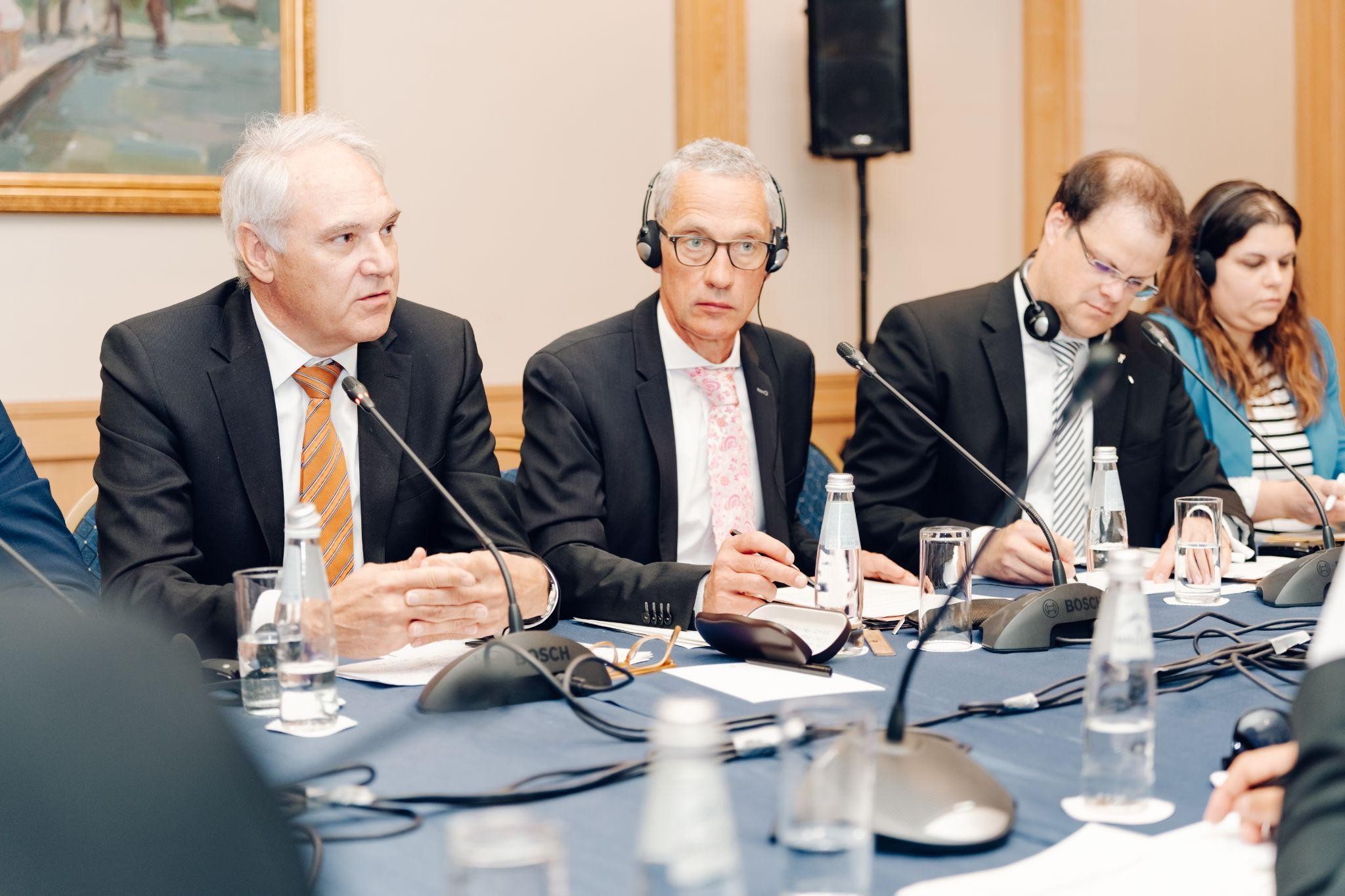
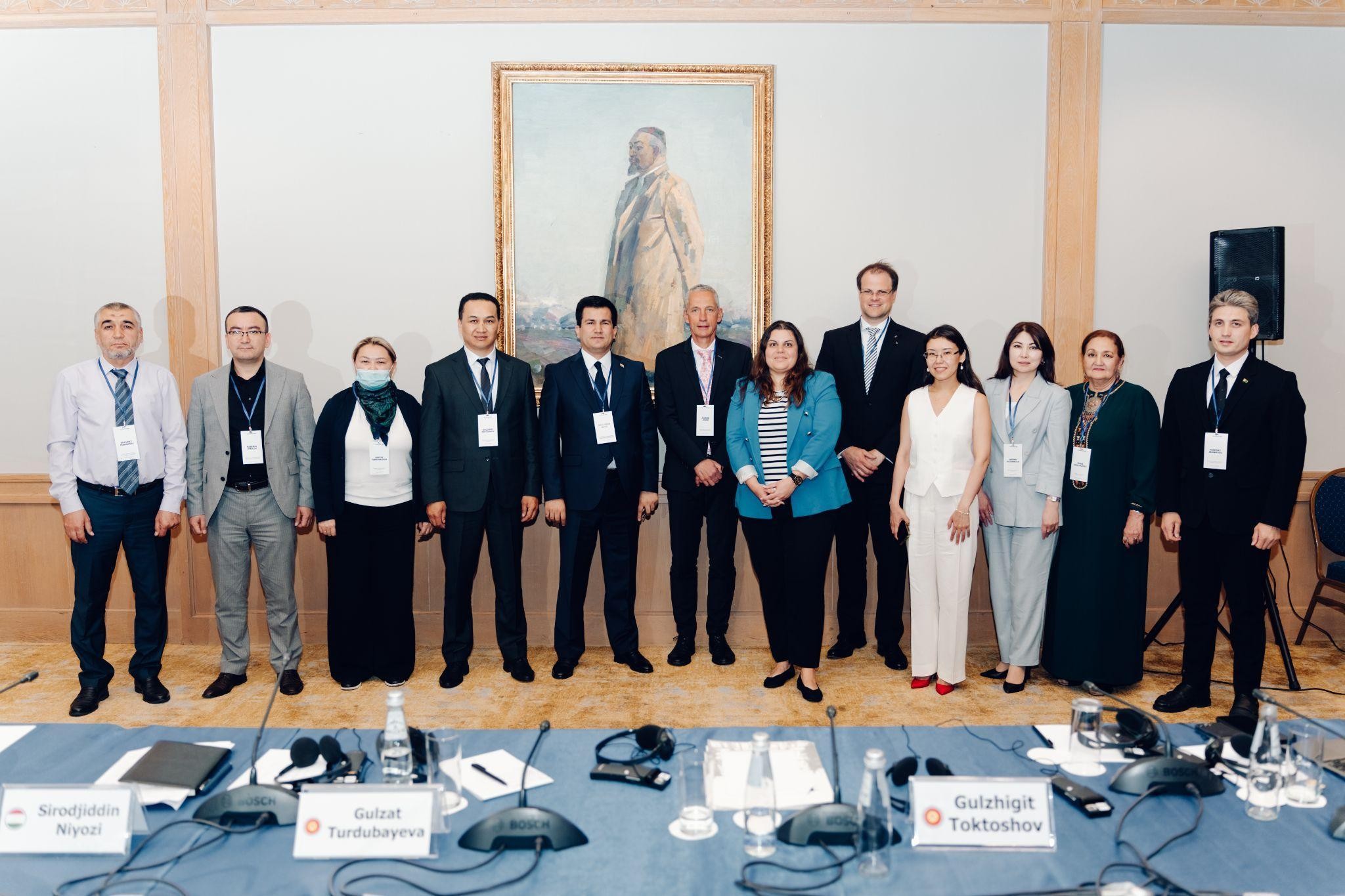
The round table was complemented by bilateral talks between BMFTR and the individual countries. These meetings marked an important step in further developing research cooperation between Germany and Central Asia. Building on the position paper of German research, intermediary, and funding organizations, the discussions in Almaty refined recommendations from the German research community, with special consideration of the Central Asian perspective.
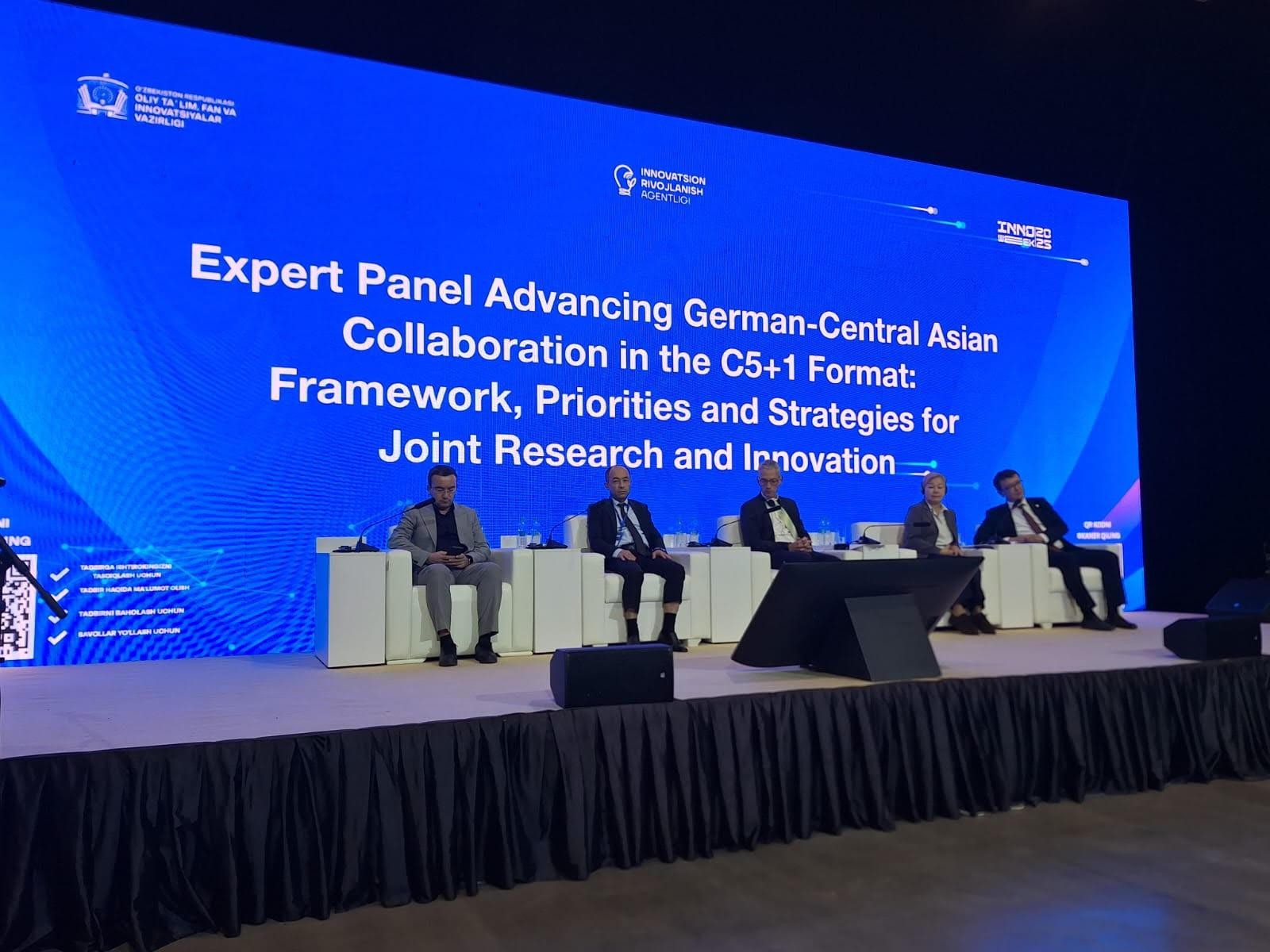
The second round table took place in Tashkent on 10 October. During the meeting, new formats of funding and collaboration between BMFTR and representatives from Central Asia were discussed. An expert panel was also held on advancing German–Central Asian collaboration in the C5+1 format, focusing on the framework, priorities, and strategies for joint research and innovation.