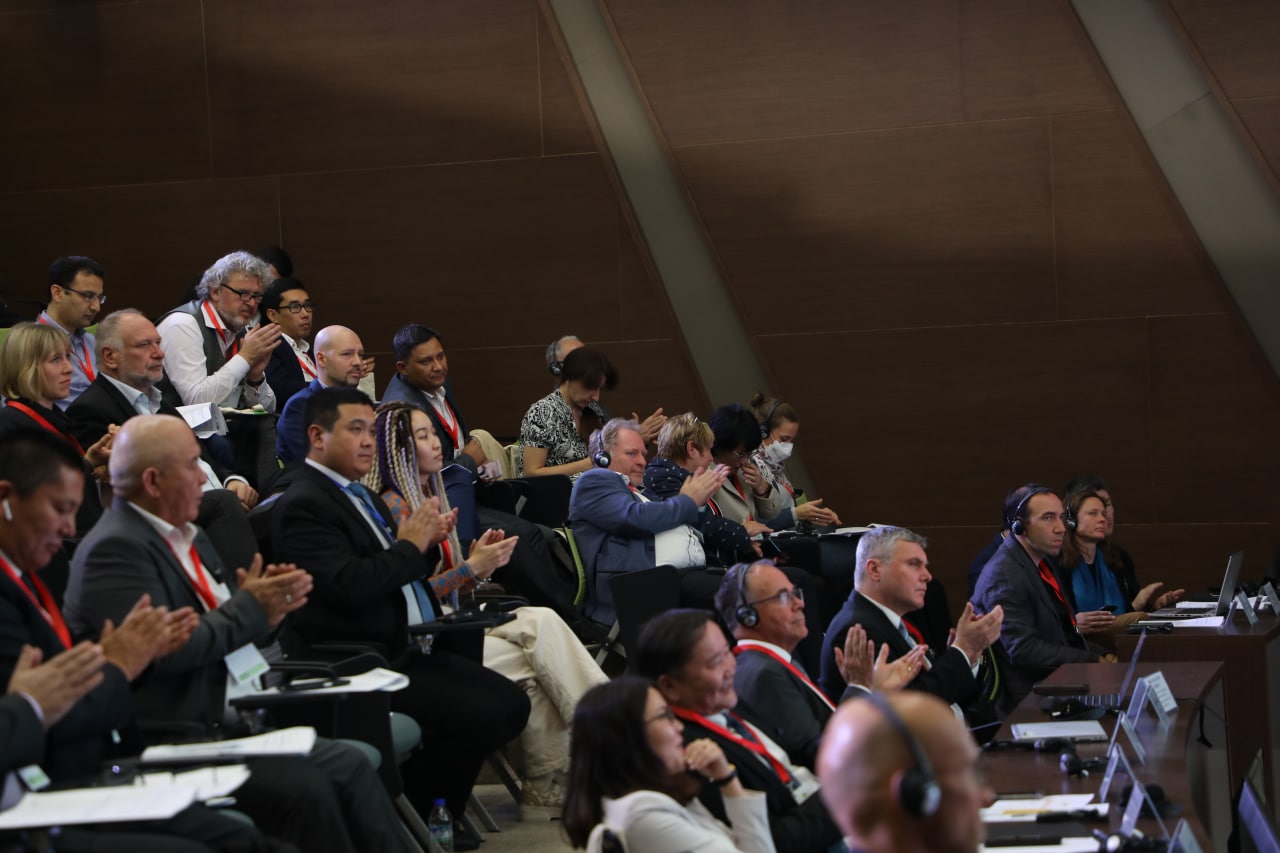
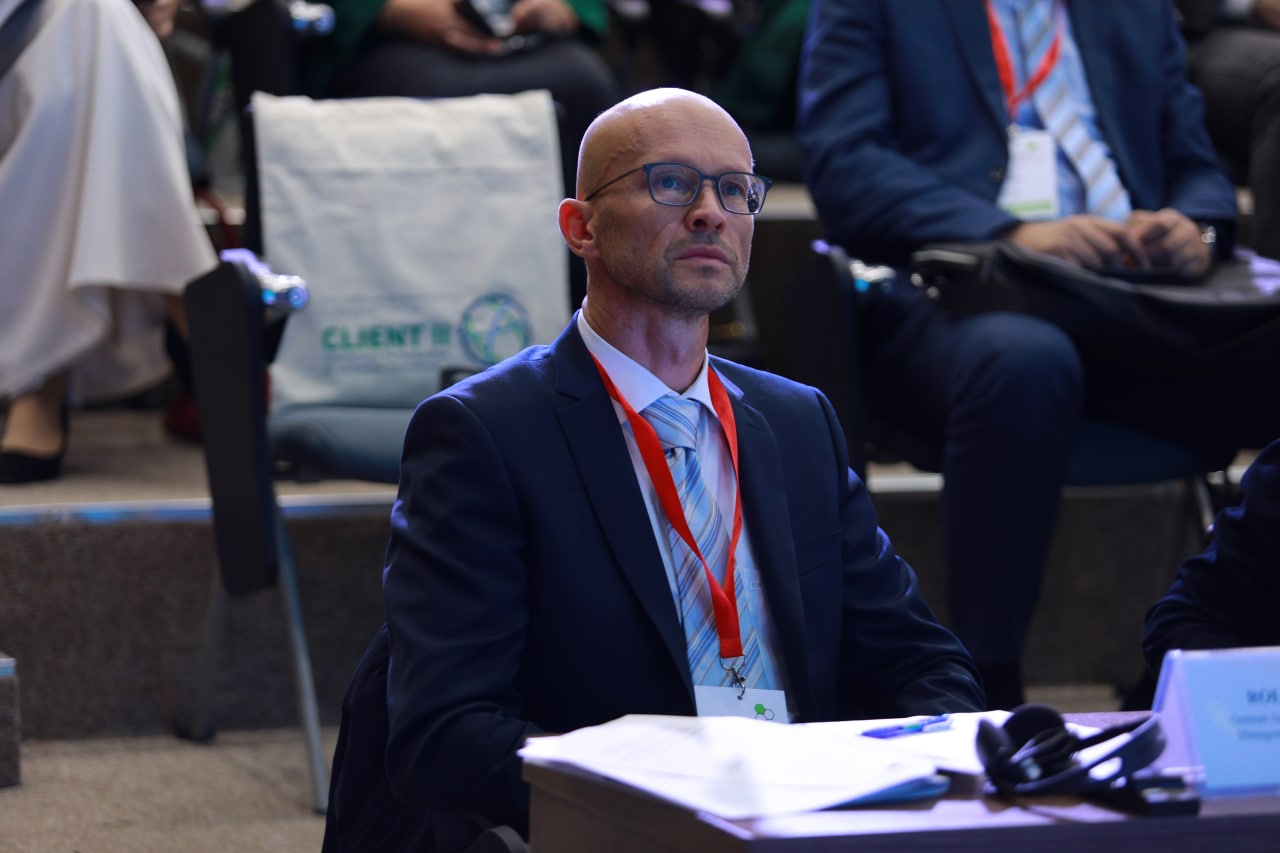
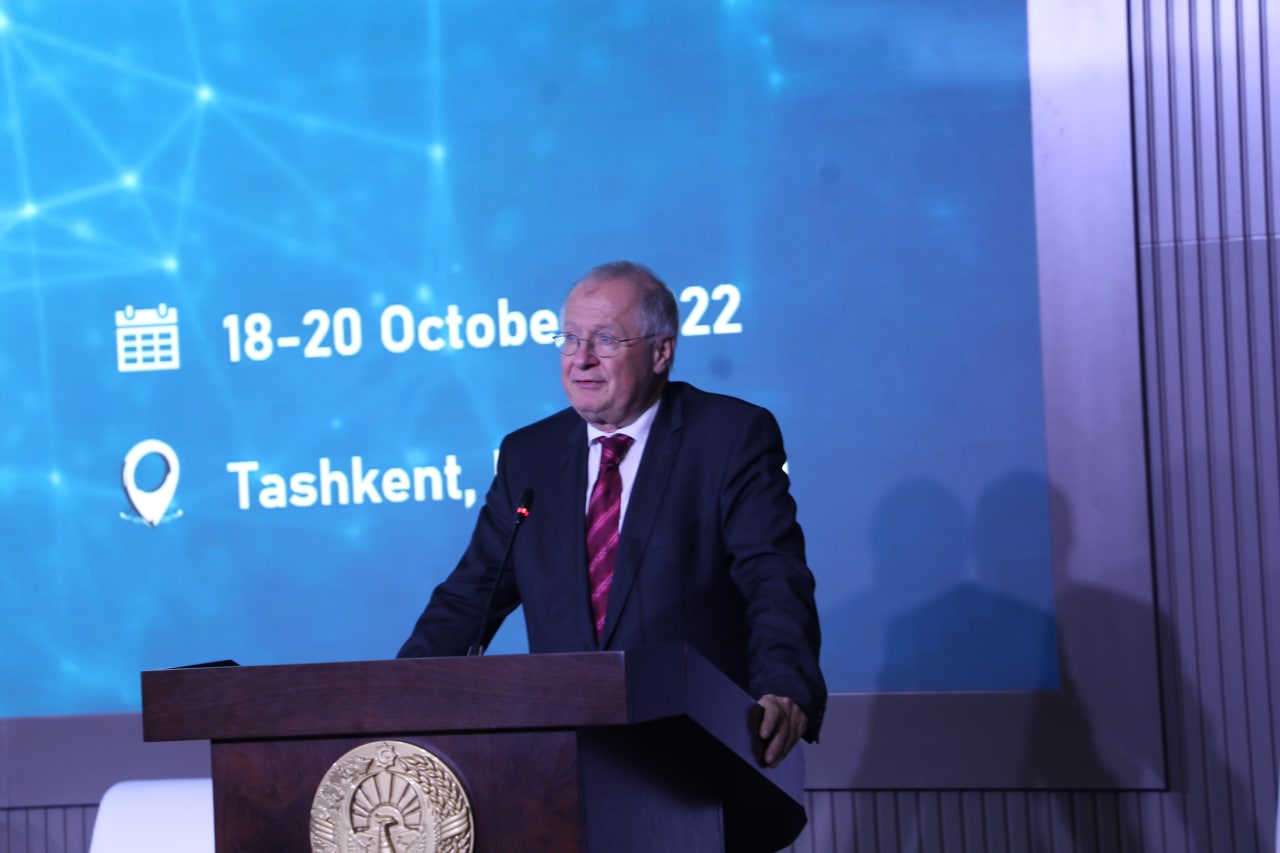
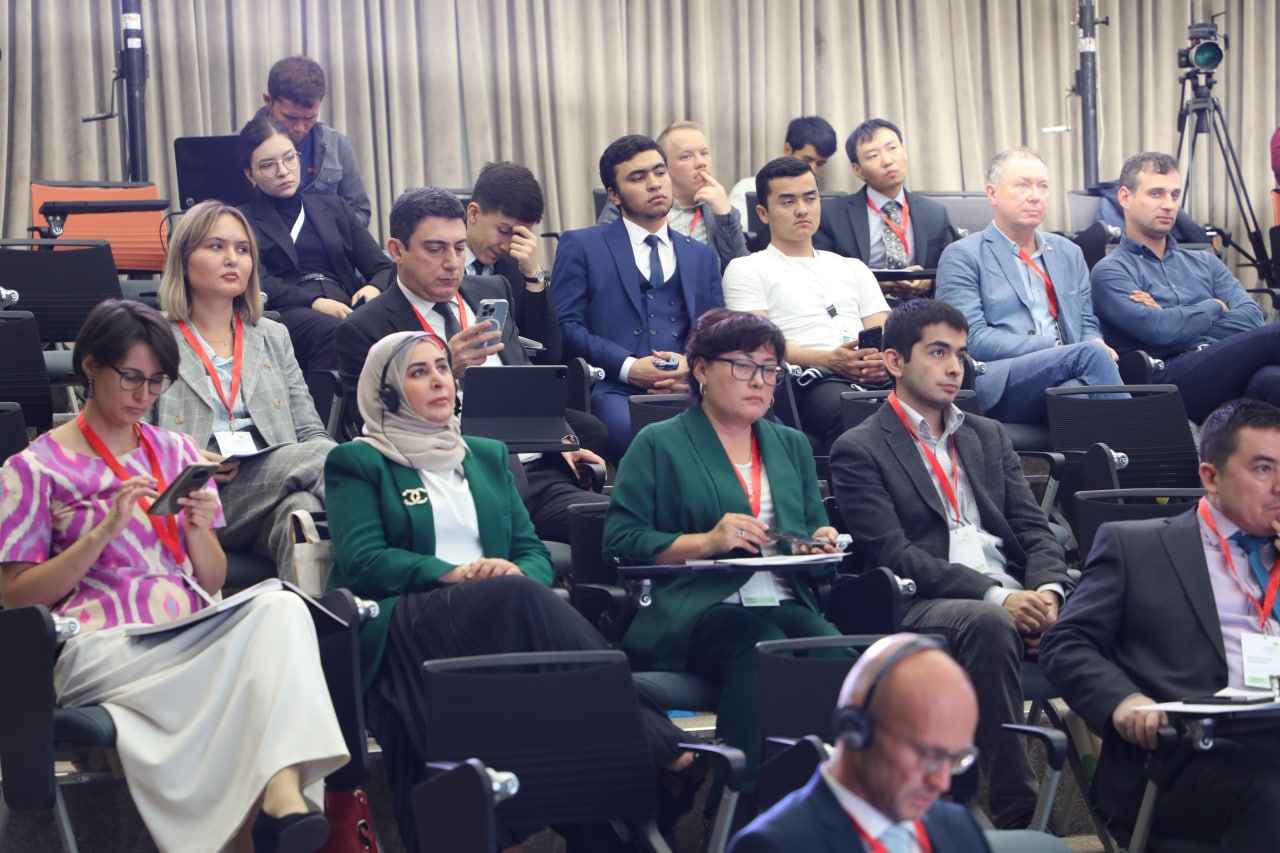
As part of Inno-Week 2022 – Green Innovations for Sustainable Development, CASIB organized the Regional CLIENT II Stakeholder Conference for Central Asia, bringing together more than 100 experts from Central Asia and international partner countries. The two-day event provided a platform for exchange on climate action, renewable energy, and climate adaptation, and strengthened cooperation between science, policy, and practice across the region.
Обзор: CLIENT II Stakeholder Conference 2022
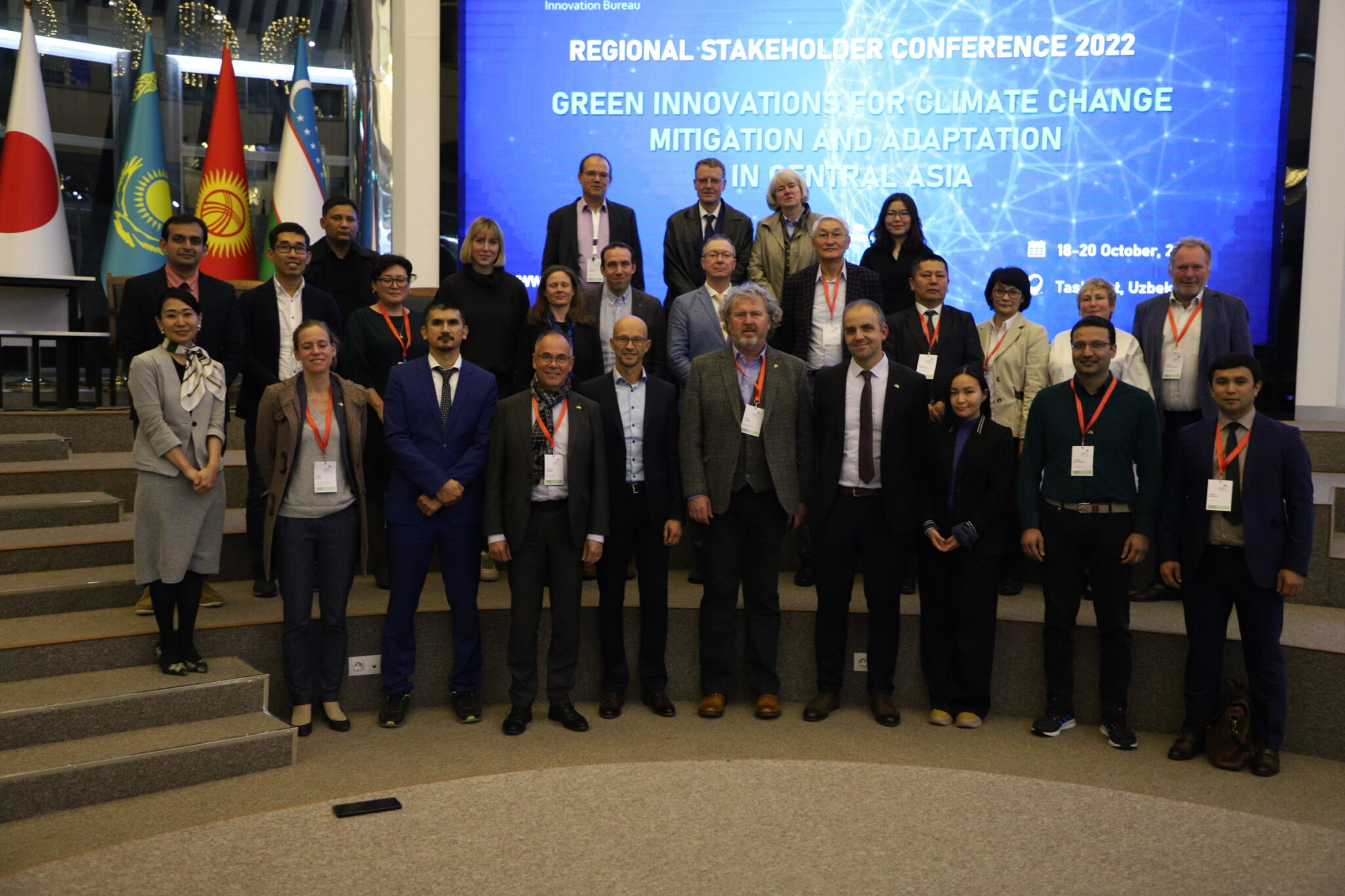
As part of “Inno-Week 2022 – Green Innovations for Sustainable Development” in Uzbekistan, CASIB organized the regional CLIENT II Stakeholder Conference for Central Asia together with its partners. The event was supported by the German Federal Ministry of Research, Technology and Space (BMFTR), the Ministry of Innovative Development of the Republic of Uzbekistan, the DLR Project Management Agency, and the German Chamber of Commerce (AHK Central Asia).
The conference became one of the highlights of Inno-Week 2022 and emphasized the importance of scientific cooperation between Germany, Uzbekistan, and the wider Central Asian region.
Over two days, the conference created a platform for exchange on regional climate projects and brought together more than 100 experts and participants from Central Asia, Mongolia, Japan, Israel, and Germany. The programme also included a CASIB exhibition stand at the Inno-Fair, presenting the BMFTR funding initiative CLIENT II – International Partnerships for Sustainable Innovations.
Focus on Climate Protection and Regional Cooperation
The first conference day focused on policy and financial frameworks for climate action as well as ongoing projects in the fields of green energy and low-carbon development.
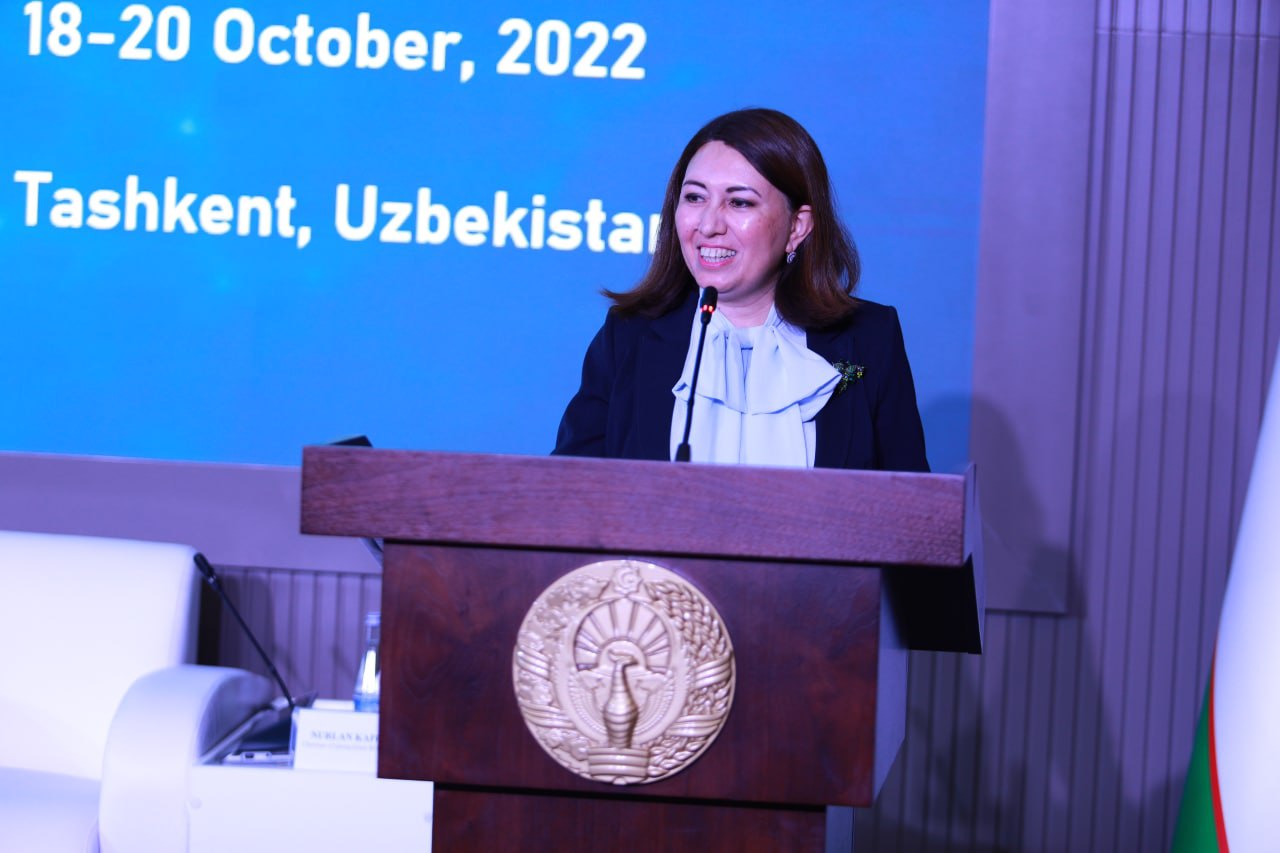
Following opening remarks by high-level representatives from Uzbekistan and Germany, participants from across Central Asia and Mongolia discussed strategies for expanding renewable energy and achieving long-term climate goals.
The programme also highlighted ongoing CLIENT II projects and their contribution to sustainable innovation in the region. Particular attention was given to practice-oriented approaches and implementation of sustainable energy solutions in rural areas.
Climate Adaptation as a Regional Priority
The second conference day focused on climate adaptation measures in Central Asia.
Representatives from government, academia, and project implementation presented initiatives addressing climate-resilient land use, resource-efficient technologies, and international research cooperation. Featured activities included projects implemented under CLIENT II, the Green Central Asia Initiative (GCA), and other international funding programmes.
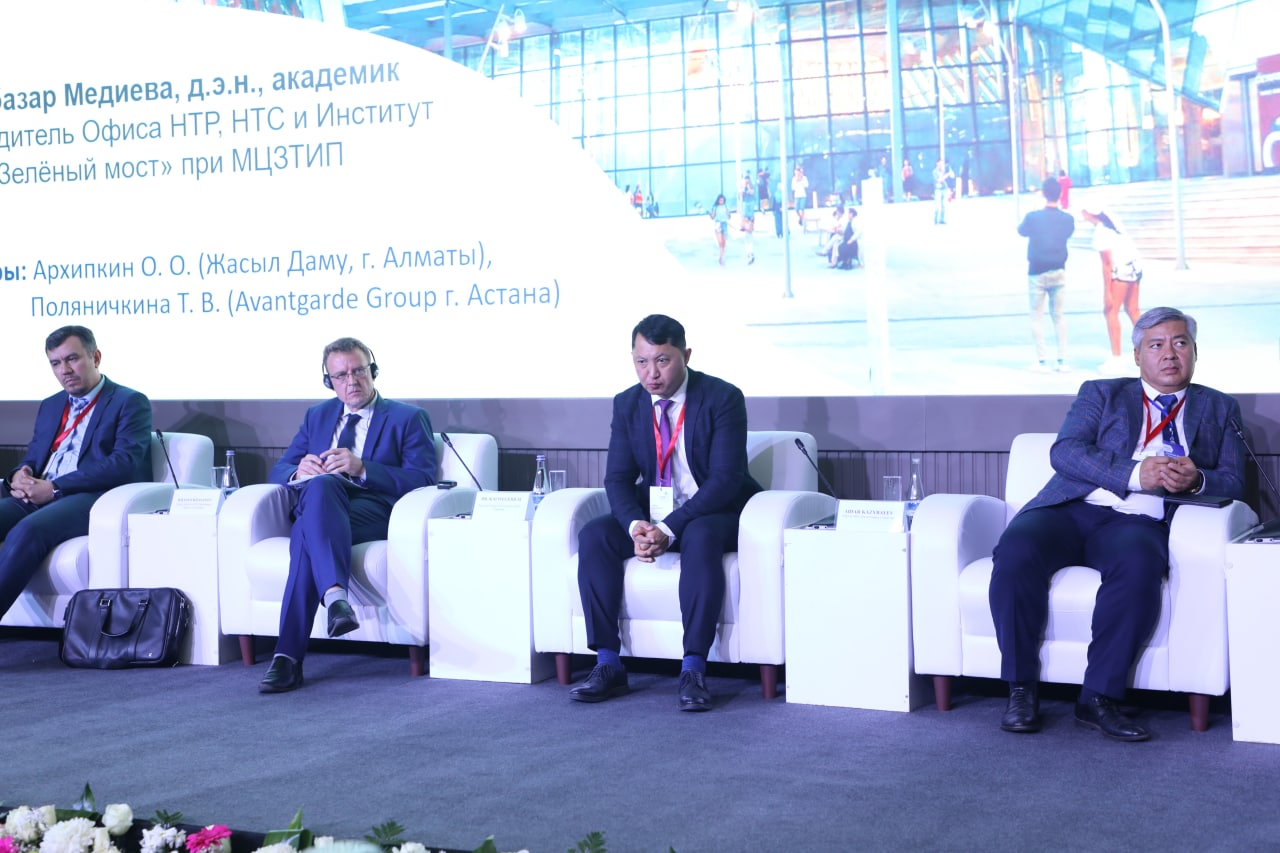
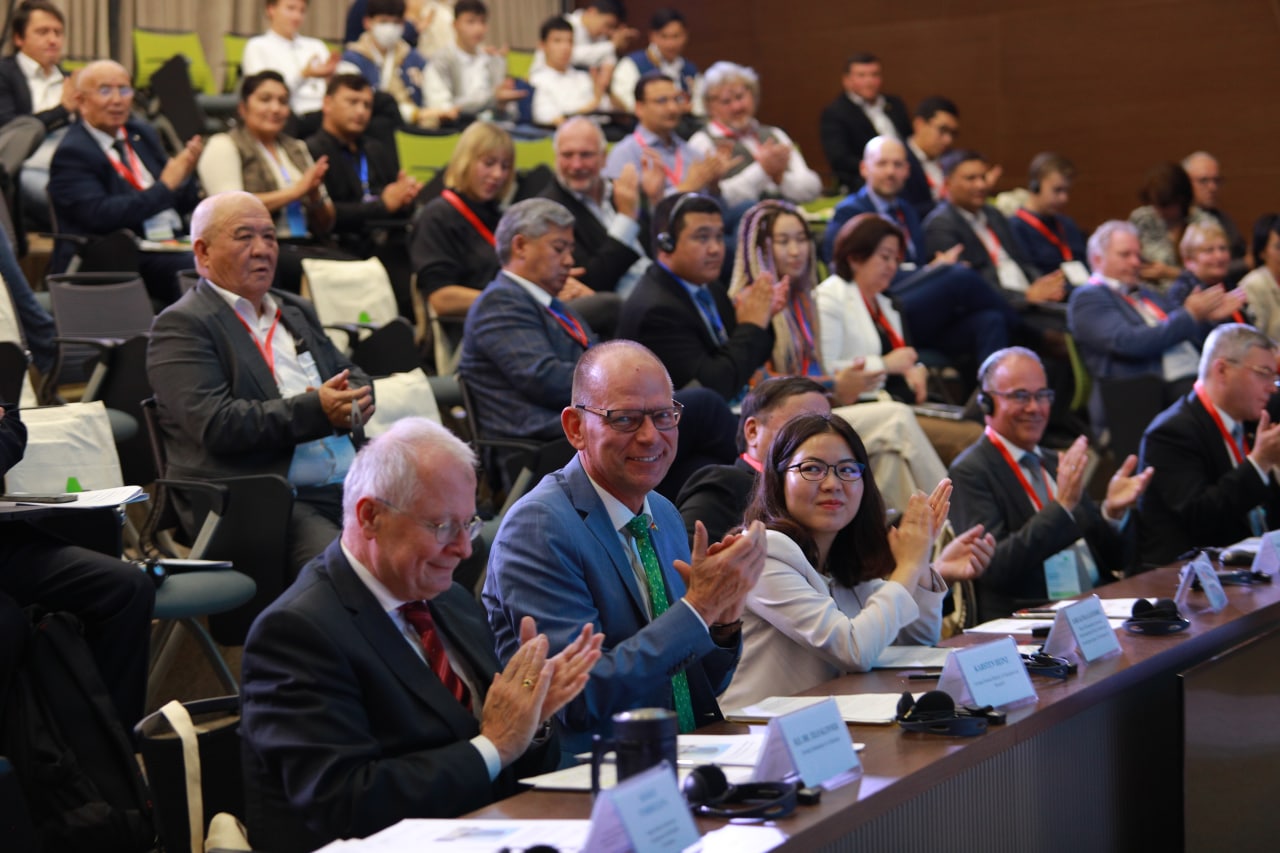
Panel discussions demonstrated a growing awareness across the region of the need for climate adaptation and highlighted increasing interest in international partnerships and innovation-driven collaboration.
Outcomes and Outlook
The conference contributed to the development of new cooperation opportunities between German and Central Asian institutions. Key outcomes included:
- Initiation of joint activities in sustainable agriculture and soil management
- Further development of regional networks and long-term continuation strategies for existing projects
- Preparation of new institutional partnerships between universities and research organisations
- Strengthening dialogue on innovation, research cooperation, and knowledge transfer in Central Asia
The event confirmed the growing interest in German research and innovation activities in Central Asia and further strengthened CASIB’s role as a platform for scientific exchange and regional networking.