Mongolia’s scientific landscape is undergoing structural transformation under Vision 2050, with the goal of building a national system of science, technology, and innovation that supports a knowledge-based economy. While key institutions such as the National University of Mongolia and the Mongolian Academy of Sciences form the core of the research system, overall R&D expenditure remains very low (0.08% of GDP in 2022), limiting research capacity and commercialization. The country is therefore focusing on strengthening technoparks, university–industry collaboration, and innovation infrastructure to reduce dependence on natural resource extraction and stimulate high-technology development.
Übersicht: Scientific Landscape of Mongolia
| Territory: | 1,564,116 km |
|---|---|
| Population | 3.60 million |
| Capital | Ulaanbaatar |
| Languages | Mongolian |
| GDP | $18 billion |
| Key research areas | Climate change and desertification Pastoralism and rangeland management (sustainable livestock, overgrazing) Water scarcity and water resource management Mining, environmental impact, and resource governance Urbanization and air pollution Renewable energy and energy transition Socio-economic development, rural livelihoods, migration |
Science system in Mongolia
Mongolia is implementing a long-term policy for the development of science, technology, and innovation as part of its national Vision 2050 program, which was officially approved by the Parliament in 2020. https://en.wikipedia.org, https://vision According to Vision 2050, for the period 2021–2030, Mongolia aims to turn science and innovation into a key driver of sustainable national development: a national system of science, technology, and innovation (STI) is being established, infrastructure is being expanded, and knowledge is viewed as an economic asset.
Source:https://en.iss.gov., ttps://vision2050
An important part of the strategy is the creation and active development of a network of technoparks and science-technology-innovation parks (STI parks), designed to strengthen links between academia, business, and the government, support commercialization of research, and stimulate the growth of high-technology sectors.
UNCTAD: https://unctad.org
However, as highlighted in a recent review, Mongolia faces major challenges: insufficient R&D funding, weak commercialization of scientific results, limited university-industry collaboration, and an underdeveloped infrastructure for scaling technology-based enterprises.
UNCTAD: https://unctad.org/system
Thus, Mongolia’s current policy is an effort to transform the country from a resource-dependent economy into a knowledge- and technology-driven economy, with an emphasis on science, innovation, infrastructure, and creating a favorable innovation ecosystem. Success will depend on decisions in financing, institutional reforms, incentives for the private sector, and effective coordination between academia, industry, and the government.
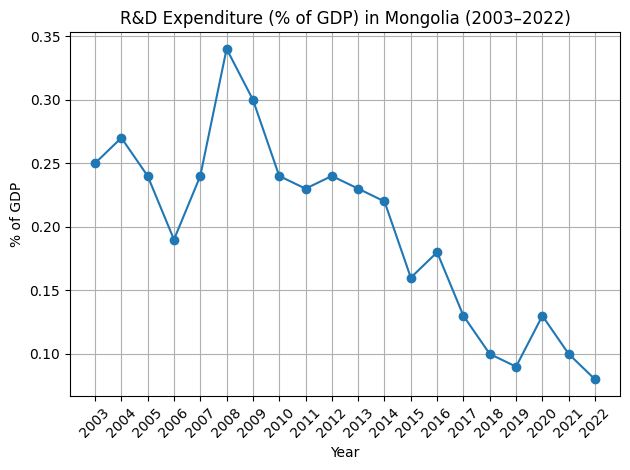
Research and development expenditure, percent of GDP
In 2022, Mongolia’s spending on R&D (research and development) amounted to 0.08% of GDP.In 2021, it was 0.10% of GDP.R&D expenditure (as a percentage of GDP) has been declining for two consecutive years.Since monitoring began in 1997, this indicator has decreased by a factor of 2.01.The highest level of R&D expenditure in Mongolia was recorded in 2008 at 0.34% of GDP.The lowest value was observed in 2022, when it dropped to 0.08% of GDP.https://statbase.ru/data)(figure 17)
Forms of financing:
Main State Scientific Foundation — Mongolian Foundation for Science and Technology (MFST)
The Mongolian Foundation for Science and Technology is the main national body responsible for funding scientific research, developing competitive grant programs, supporting innovation, and strengthening Mongolia’s research capacity across priority fields.: https://www.mfst.mn
Ministry of Education and Science of Mongolia (MOEAS).
The Ministry oversees national education, research policy, university development, and science & technology programs. It coordinates reforms in higher education, research funding, innovation, and digital transformation of the education sector. https://en.moe.gov.mn
Chinggis Khaan Grant
The Chinggis Khaan Grant is a prestigious national scholarship program that supports talented Mongolian researchers, students, and scholars. It aims to foster high-level academic excellence, international training, and advanced scientific research. https://www.mof.gov.mn/en
Key authorities:
The Ministry of Education and Science of Mongolia (MOE)The Ministry of Education and Science is the central government body responsible for national policies in education, research, innovation, and human capital development. It oversees universities, research institutions, and major science programs across the country. https://www.meds.gov.mn
The Science and Technology Fund is the national funding body supporting scientific research, innovation projects, R&D programs, and capacity-building initiatives. It provides competitive grants to universities, research institutes, and applied science projects across Mongolia. https://stf.gov.mn
The Mongolian Academy of Sciences is the highest scientific institution in the country, conducting fundamental and applied research through its research institutes in natural sciences, social sciences, engineering, and technology. https://www.mas.ac.mn
Science, Industrial Development and Innovation Agency. The Science, Industrial Development and Innovation Agency is a national body responsible for coordinating and promoting policies in the fields of scientific research, industrial modernization, technological innovation, and economic competitiveness. The agency supports the development of a knowledge-based economy by fostering cooperation between government, research institutions, universities, and the private sector.https://qazinnov.kz/(figure 2)
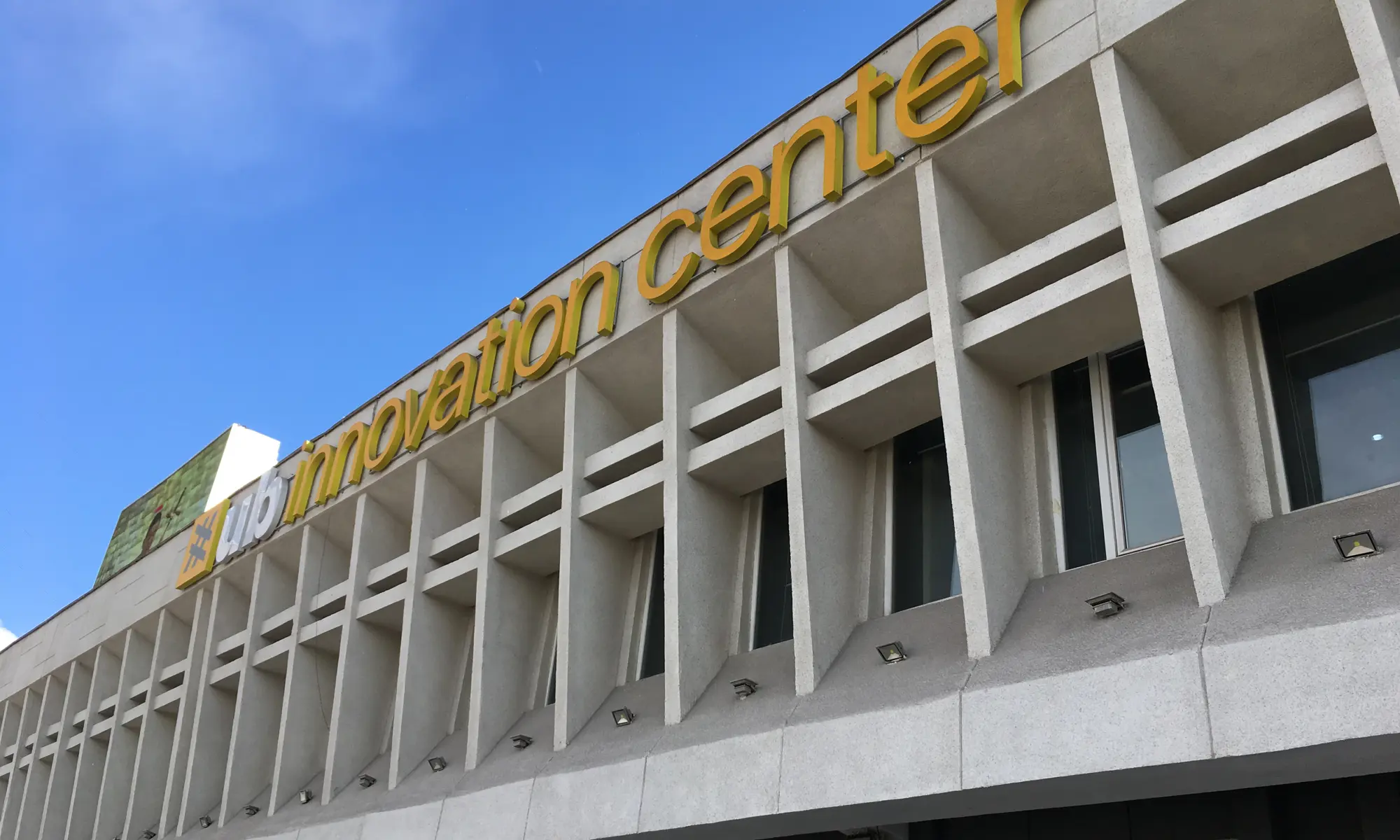
Mongolia has 62 officially accredited higher education institutions, including universities, institutes, and colleges with bachelor’s, master’s, or PhD programs https://www.unirank.org
Key universities in Mongolia
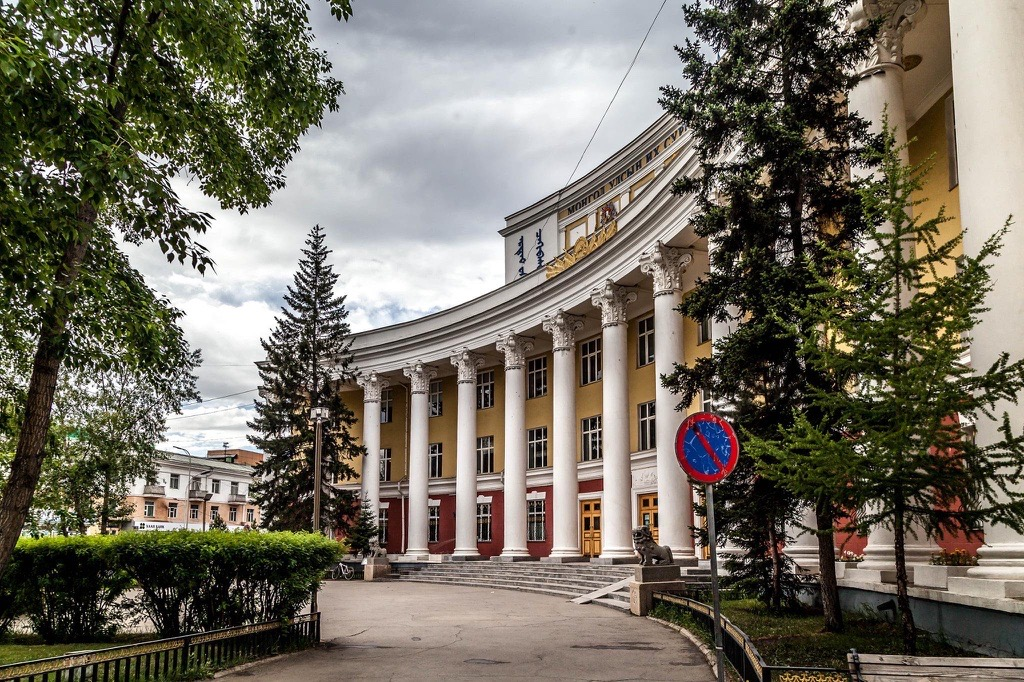
- National University of Mongolia (NUM)– The largest state university in the country, founded in 1942. It trains about 16,200 undergraduates and 1,035 postgraduates, and has branches in the provinces of Oluastay and Erdenet. It offers programs in the humanities, natural sciences, engineering, and social sciences. www.num.edu.mn (figure 3)
- Mongolian University of Science and Technology (MUST)– The main Technical University of Mongolia, founded in 1959 as a polytechnic Institute at NUM. It gained independence in 1982. The number of students exceeds 20,000, there are more than 100 bachelor’s and master’s degree programs in engineering, ICT, construction, geology, etc. https:// must.edu.mn
- Mongolian University of Life Sciences (MULS)is a national agricultural university, the country’s leader in agronomy, ecology, biotechnology, and veterinary medicine. The main site is Ulaanbaatar and has branches in other provinces https://muls.edu.mnmuls.edu.mn
- German‑Mongolian Institute for Resources and Technology (GMIT)- Public-international education at the junction of Germany and Mongolia, founded in 2013. Training — in English, ECTS system, international accreditation and close cooperation with universities in Germany and Austria https://gmit.edu.mngmit.edu.mn
- Health Sciences University of Mongolia (ex. Mongolian National University of Medical Sciences is a key medical university in the country, founded in 1942 as part of NUM. It has developed into a large structure with 7 schools and 44 departments in medicine, pharmacy, dentistry, public health and traditional medicine https://via mnums.edu. mt
- Mongolian National University of Education (MNUE) is a University of Pedagogical Sciences, founded in 1951. It graduates about 85% of the country’s teachers, including 9 schools and 42 departments https://www.uarctic.org